How did the ‘Immortal Regiment’ campaign come about?
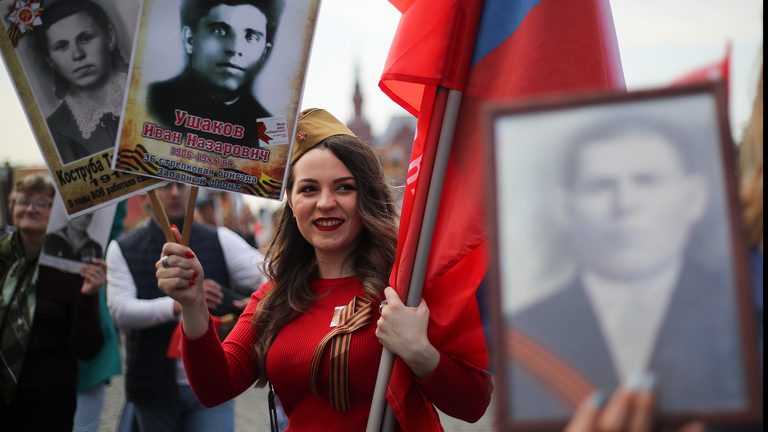
For 14 years now, every May 9, cities across Russia and abroad have held marches in memory of those who fought for Victory in the Great Patriotic War.
The ‘Immortal Regiment’ was conceived by Tomsk journalists Igor Dmitriev, Sergey Lapenkov and Sergey Kolotovkin. At one of the May 9 parades, they saw how few veterans were left alive. But, their memories live on in their families. "My grandfather carried me to parades when I was a snot-nosed kid. Why can't I carry him now?" Dmitriev recalled. The solution came quickly: make special stands for photographs and parade them along the main street. And call them the ‘Immortal Regiment’.
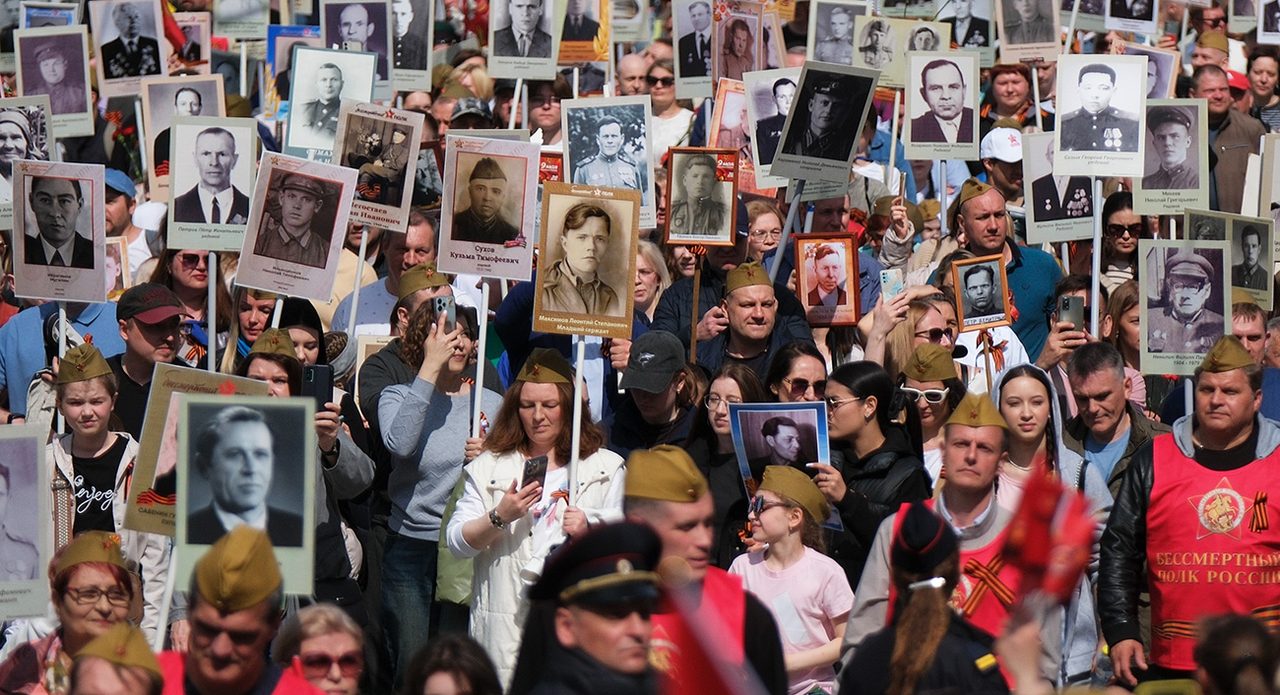
Similar marches had taken place before: The earliest was in 1965, when Novosibirsk schoolchildren marched with portraits of their fathers. But, it only truly gained popularity in 2012, when the first march took place in Tomsk. The idea's creators thought 50 people would attend, but 6,000 showed up!
A year later, the ‘Immortal Regiment’ marched in 120 cities and towns across Russia, including Moscow and St. Petersburg, as well as Kazakhstan, Kyrgyzstan and Ukraine. Its geography then expanded rapidly: In 2015, marches took place not only in Russia, but also in 20 foreign countries and the total number of participants exceeded 4 million.
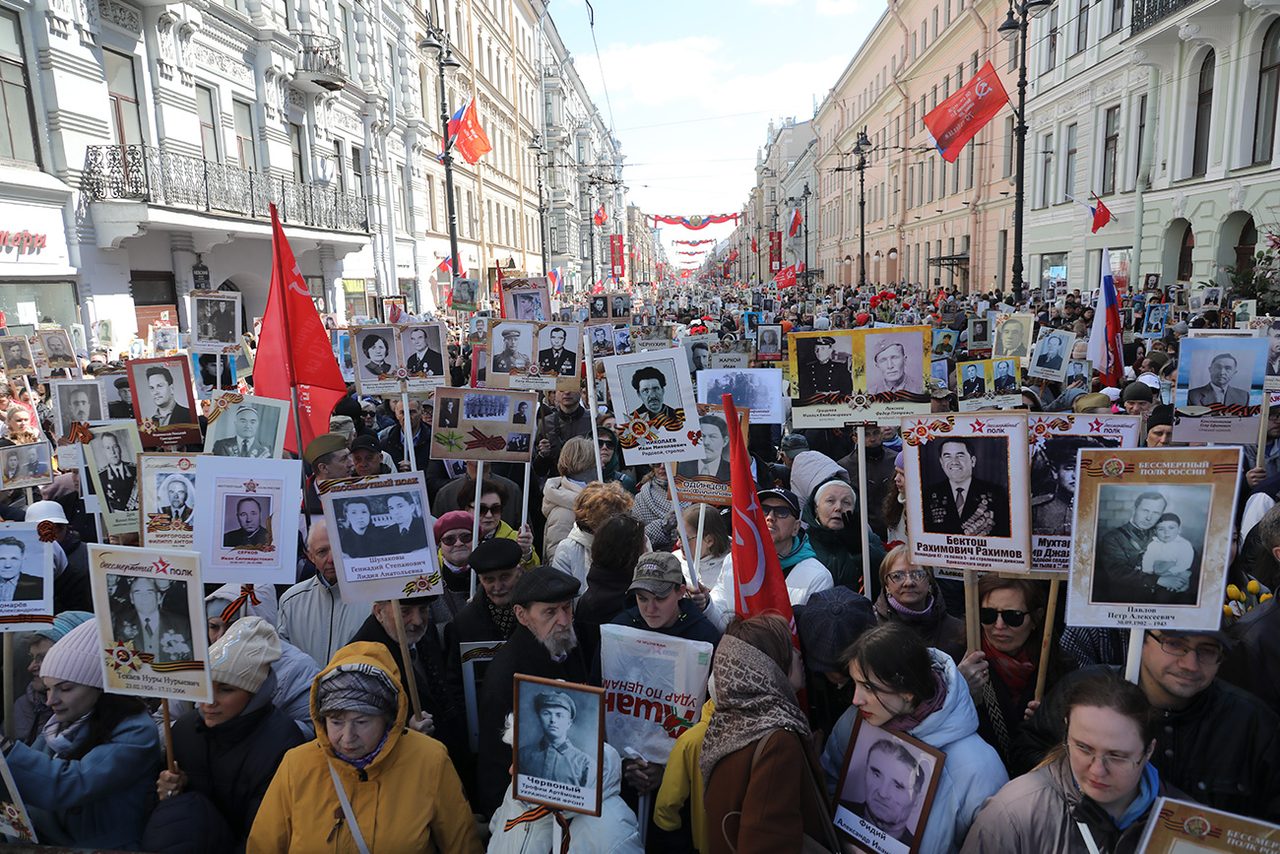
During the pandemic, the march moved online: people posted photos of their front line soldiers on the initiative's website, which were then displayed during the "virtual march". The ‘Immortal Regiment’ is also a living memory: people share their family stories, talk about front-line soldiers, home front workers and their fates — the website has already collected over a million stories.
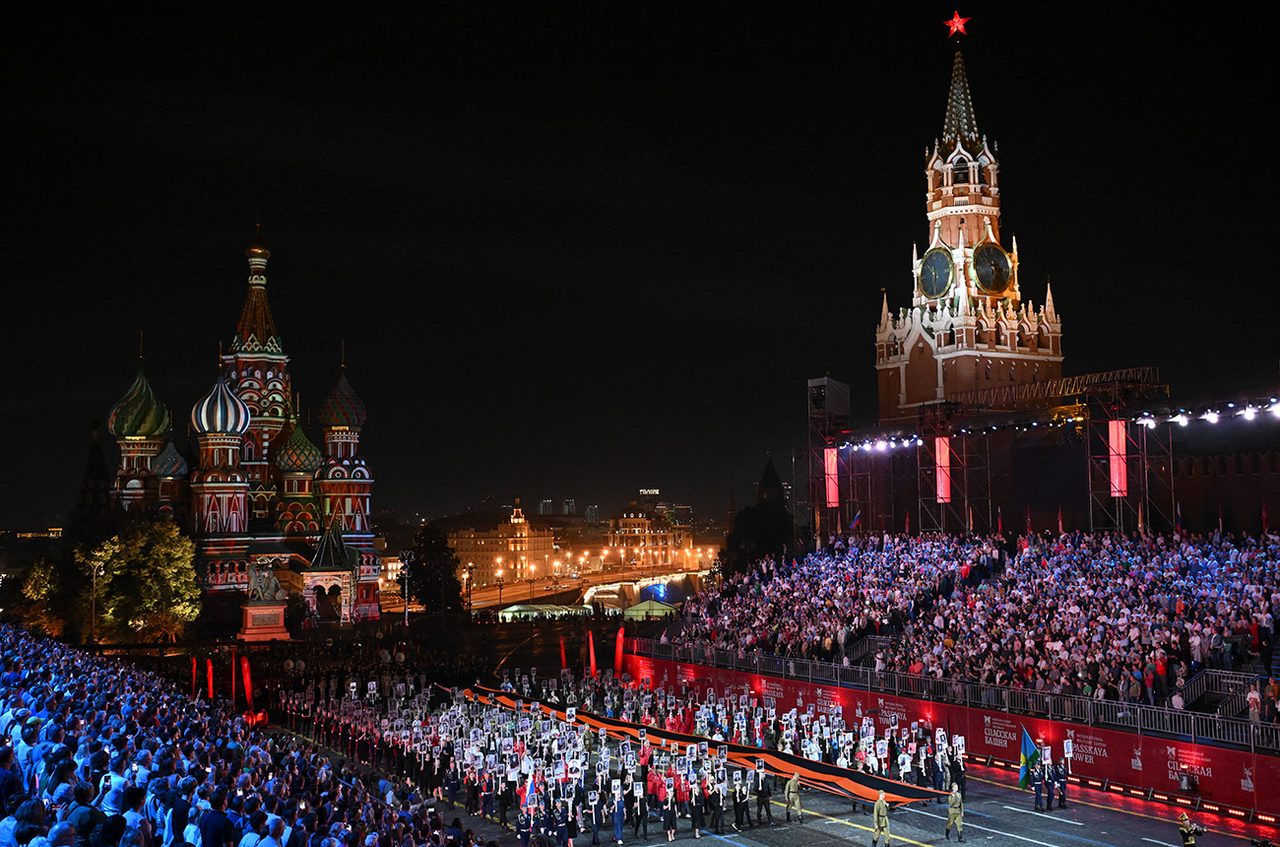
Thanks to the ‘Immortal Regiment’, people are also searching for relatives and descendants of those whose families were once separated by fate. Larisa Gorbunova recently shared her story: She found the burial place of her grandfather, Grigory Gorbunov. “Our ancestors are alive as long as we remember them. My grandfather died at 45. I found him 80 years later. Children should know their ancestors. I want my children to know: they had a great-grandfather, Grisha, who went to the front from a remote Siberian village and never returned.”
This year, the march will be held online and offline, depending on the region. In Moscow and St. Petersburg, the march will take place online, while in Kazan and Novosibirsk, it will take place along the city's main streets. Details can be found on the websites: here and here.
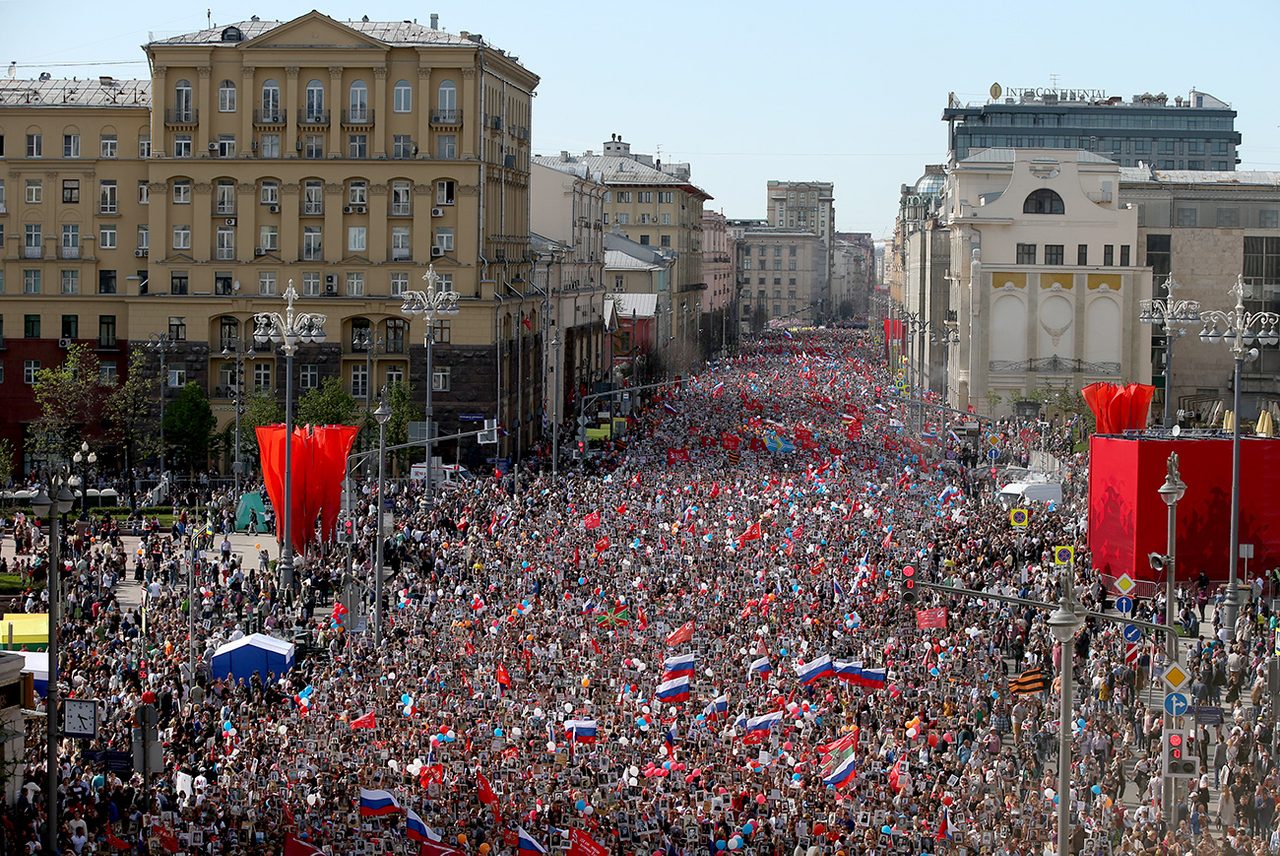
Anyone who wants to honor the memory of their veterans can take part in the march. Simply upload a photo of their loved one and personal information (years of life, where they fought or worked during the war), along with a story about the hero, to the website. Or, if the march is offline, print the photo and attach it to a holder.
The event is also held abroad. This year, the march has already taken place in Japan, Cyprus, the U.S., the Netherlands, Kuwait and Tunisia.