

What Russians think about Victory Day
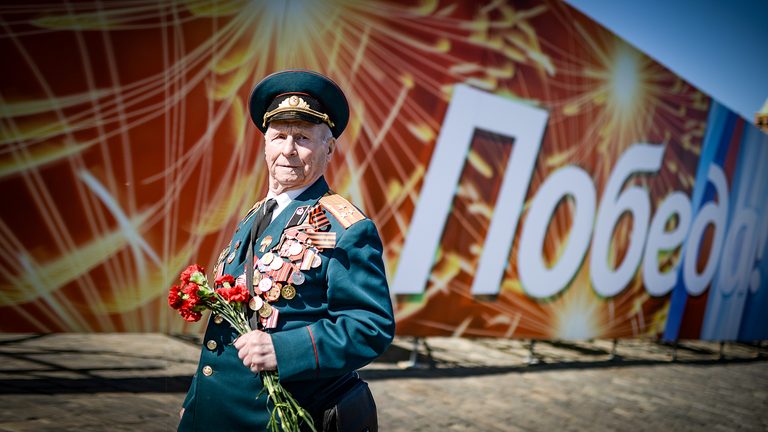
Foreigners who come to Russia are often surprised by how significant the memory of World War II is for Russians.
The Russian Ministry of Culture has conducted a large-scale survey on what Russians watch, listen to and read in the lead-up to Victory Day. Over two weeks, nearly 7,000 people over the age of 18 took part online.
Respondents shared which of their relatives took part in the war, how they preserve the memory of heroes and how they pass that knowledge on to younger generations.
How Victory Day is remembered
A total of 96.4% of Russians have close relatives who took part in the Great Patriotic War (as they call World War II in Russia).
On Victory Day, the majority of respondents (72%) prefer to watch the parade broadcast and war movies. Only 3.4% of Russians claim not to celebrate Victory Day.
Taking part in the celebration has become a social norm. The memory of the war in Russia is personal and emotional. For many, not a specific person is considered heroic, but the entire victorious collective.
Among the older generations, there is a clear image of specific war heroes. Top of the list are Marshals Georgy Zhukov and Konstantin Rokossovsky, partisan Zoya Kosmodemyanskaya, Red Army soldier Alexander Matrosov, as well as pilot Alexei Maresyev.
What feelings do Russians associate with Victory Day?
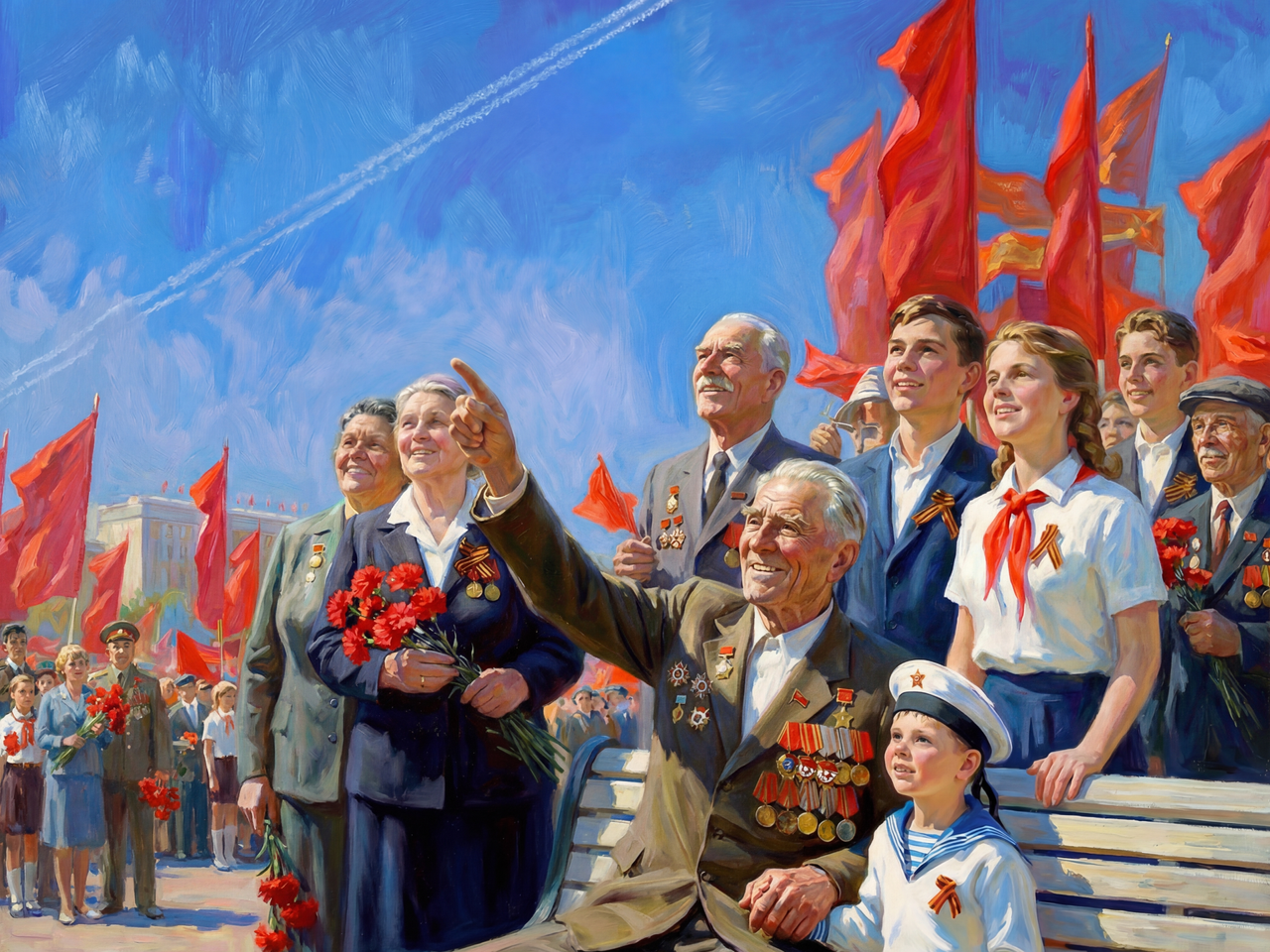
- Generation X – feels pride for their country and gratitude toward the people.
- Generation Z – noticeably less often chooses emotional expressions, although they think more often about the cost of peace and feel anxiety over historical losses.
- Generation Y – is in between: for them, memory, family unity and reflection on the cost of peace are all important.
What war movies do Russians watch?
Old Soviet cinema remains the undisputed leader: ‘The Dawns Here Are Quiet’ (1972), ‘Fate of a Man’ (1959), ‘Only ‘Old Men’ Are Going into Battle’ (1973), ‘Officers’ (1971), ‘Seventeen Moments of Spring’ (1973) and ‘The Cranes Are Flying’ (1957) to name a few. Zoomers also highlight more recent movies like ‘Brest Fortress’ aka ‘Fortress of War’ (2010) and ‘Stalingrad’ (2013).
Russians also enjoy watching war documentaries with actual newsreel footage and listening to wartime songs.
What they read about the war
The younger generation highlights ‘Fate of a Man’ by Mikhail Sholokhov, ‘The Story About a Real Man’ by Boris Polevoy and ‘Vasily Tyorkin’ by Alexander Tvardovsky. Millennials prefer Soviet war prose from the 1940s–1980s: ‘Hot Snow’ and ‘The Battalions Request Fire’ by Yuri Bondarev, ‘The Living and the Dead’ by Konstantin Simonov and ‘The Sotnikov Affair’ by Vasil Bykov.
The older generations hardly read contemporary literature at all, but are very familiar with lesser-known Soviet classics and memoirs (eg. ‘The Blockade’ by Alexander Chakovsky, ‘The Eternal Call’ by Anatoly Ivanov).
Most significant memorial sites
Across all generations, the most important war memorial sites are the Victory Museum and Mamayev Kurgan in Stalingrad, as well as the Central Museum of the Armed Forces and the Museum of the Defense and Siege of Leningrad. Local museums in the regions are also popular.
The online survey for May 9 was conducted by the Main Information and Computing Centre of the Russian Ministry of Culture with support from the Culture.ru portal, news platform Dzen, and the State Historical Museum.