
5 Soviet novels about World War II based on real events

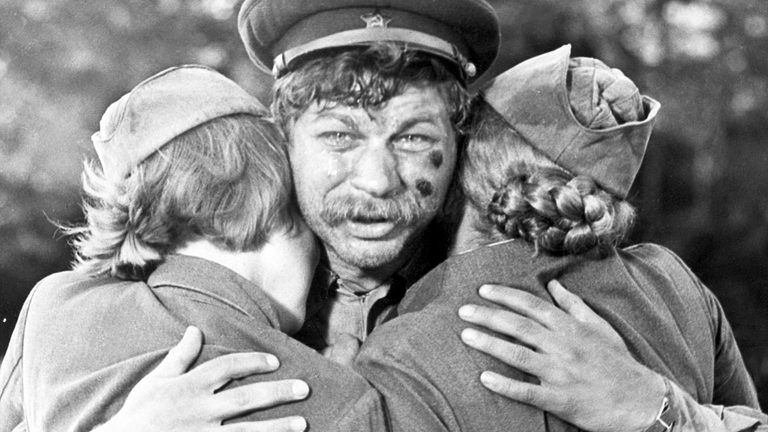
Behind every literary character in these books stands a real hero that committed a feat on the front lines or showed the true courage of a human soul.
1. Valentin Kataev. ‘Son of the Regiment’, 1944
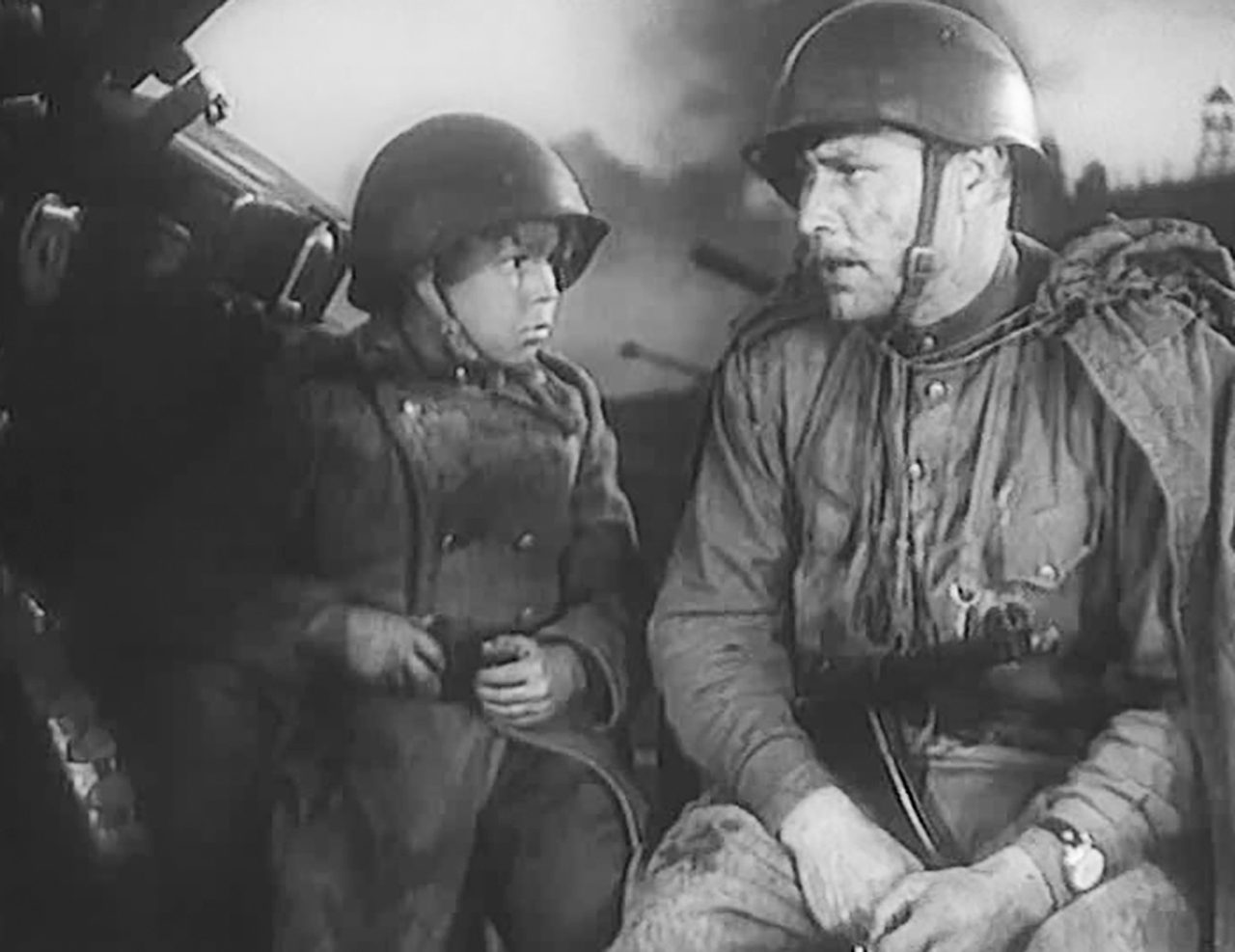
During the war, boys who had lost their parents and had been taken under the care of a military unit were typically nicknamed ‘sons of the regiment’.
While working as a war correspondent on the fronts of World War II, Valentin Kataev once encountered such a teen: a 12-year-old boy dressed in a real military uniform sewn specifically for him.
The real-life prototype of the book's Vanya Solntsev was Isaac Rakov. He attached himself to an artillery regiment, became a scout himself and was awarded a medal for courage.
However, Kataev realized that Rakov was not a unique case, so he created a common character of a homeless boy that soldiers took care of and that himself strived to perform a heroic deed.
2. Alexander Fadeev. ‘The Young Guard’, 1945, 1951
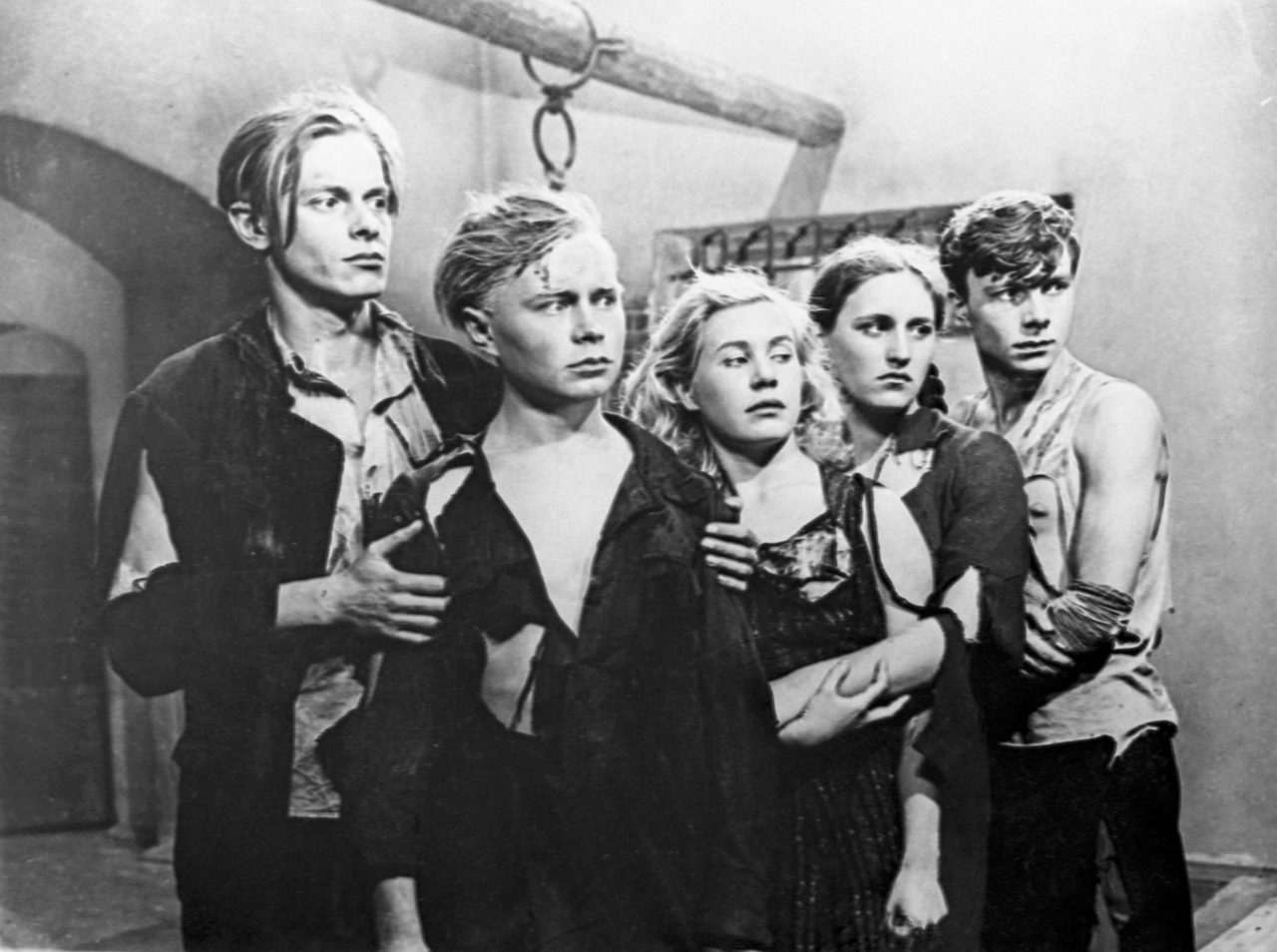
This story focuses on young people who went underground and created an anti-Nazi resistance organization called ‘The Young Guard’ in the occupied zone. All the main characters of the book bear the names of real-life people, including the organization's leader, Oleg Koshevoy.
The novel grew out of an article that Fadeev had written for the ‘Pravda’ newspaper about former schoolchildren whom the Nazis would torture and then execute. The author described the selfless heroism of young people for whom homeland and duty came first.
It’s believed that Stalin disapproved of the first edition of the novel, supposedly because it didn’t reflect the role of the Communist Party and gave the impression that a youth organization could have acted independently. In 1951, Fadeev released a re-edited second edition, which then went on to become a classic of patriotic youth education in the USSR.
3. Boris Polevoy. ‘The Story of a Real Man’, 1946
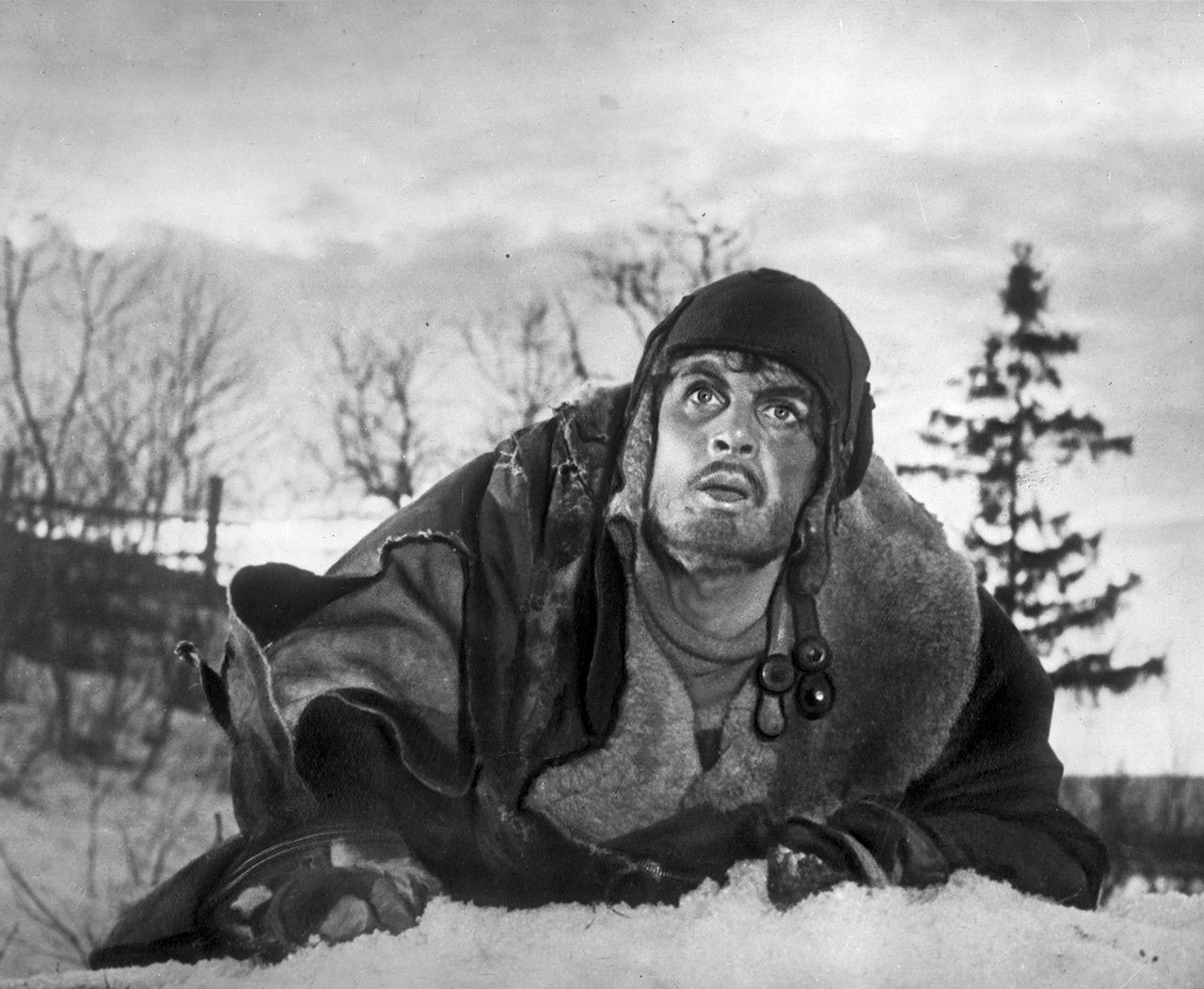
The surname of legendary pilot Alexei Maresyev is easily recognizable in the book. The author changed just one letter in the surname and the literary character became Meresyev.
In 1942, during a combat mission, his plane crashed, shot down by Nazi aircraft. The pilot survived, but severely injured his legs. For 18 days, he crawled through the snowy forest and was found unconscious near a small village. In the hospital, both his legs were amputated from the knee down, but, through sheer willpower, he not only learned to walk on prosthetics again, but also remarkably returned to combat aviation.
‘Pravda’ newspaper correspondent Boris Polevoy heard this story firsthand during the war when he met the pilot at the front. The novel was awarded the ‘Stalin Prize’, was published in millions of copies and was adapted into an opera and a movie. And, as a result, it also became part of the school literature curriculum.
4. Mikhail Sholokhov. ‘The Fate of a Man’, 1956
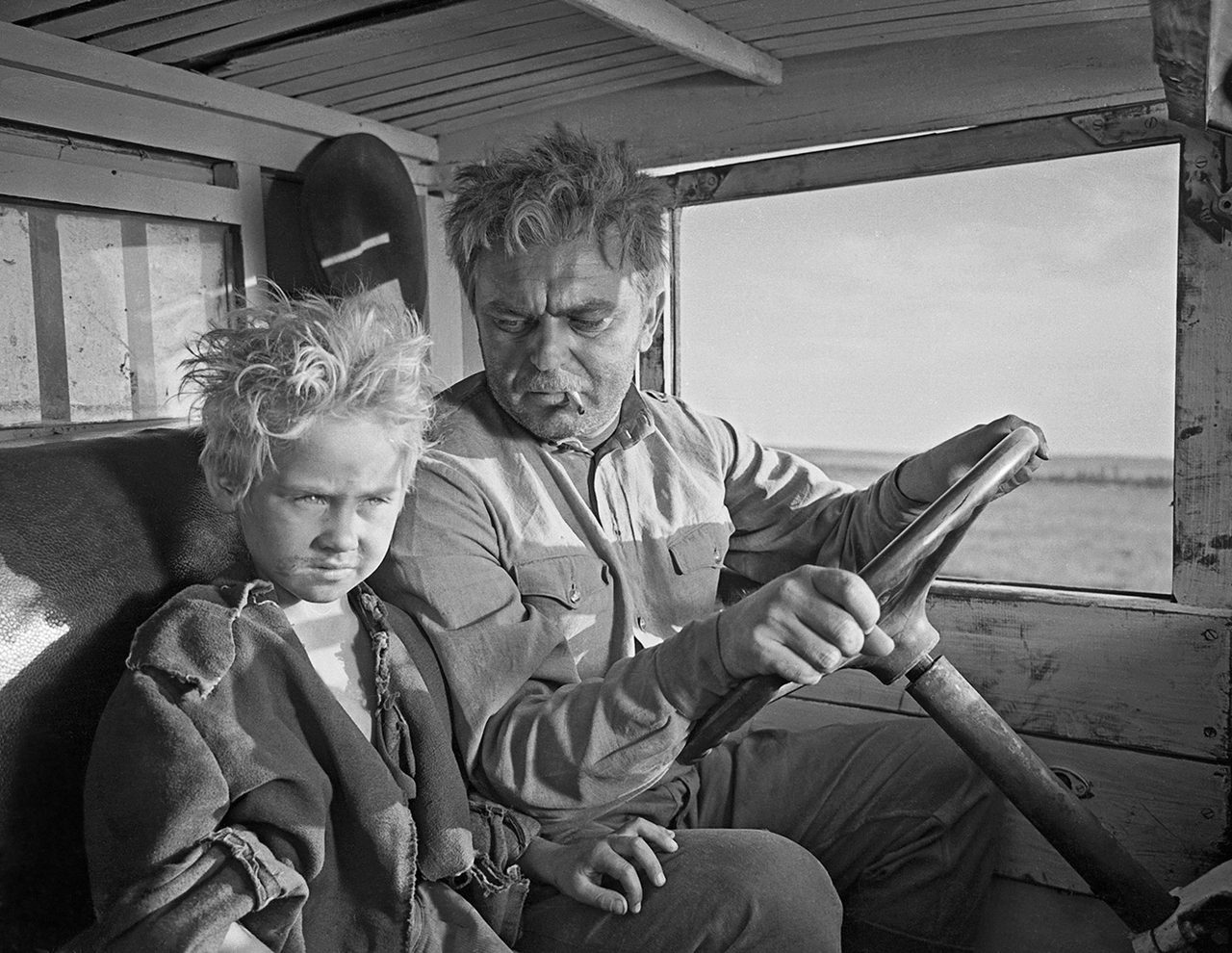
Mikhail Sholokhov heard the real story of the main character in 1946 first hand. When a truck driver named Andrei was carrying shells to the front, the Nazis blew up his vehicle. Andrei miraculously survived, but was taken prisoner. After two years in a concentration camp, he managed to escape.
Back home, he learned that his wife and two daughters had died at the beginning of the war. He returned to his native home to wait for his eldest son to return from the war, but, it tragically turned out that his son was killed by a sniper in Berlin right on the last day of the war.
Sholokhov described the story of a man who has endured all the horrors of war, but did not lose his spirit. Having lost his family, he adopts a young homeless boy he accidentally meets after simply introducing himself as his father without any doubts.
5. Boris Vasilyev. ‘The Dawns Here Are Quiet’, 1969
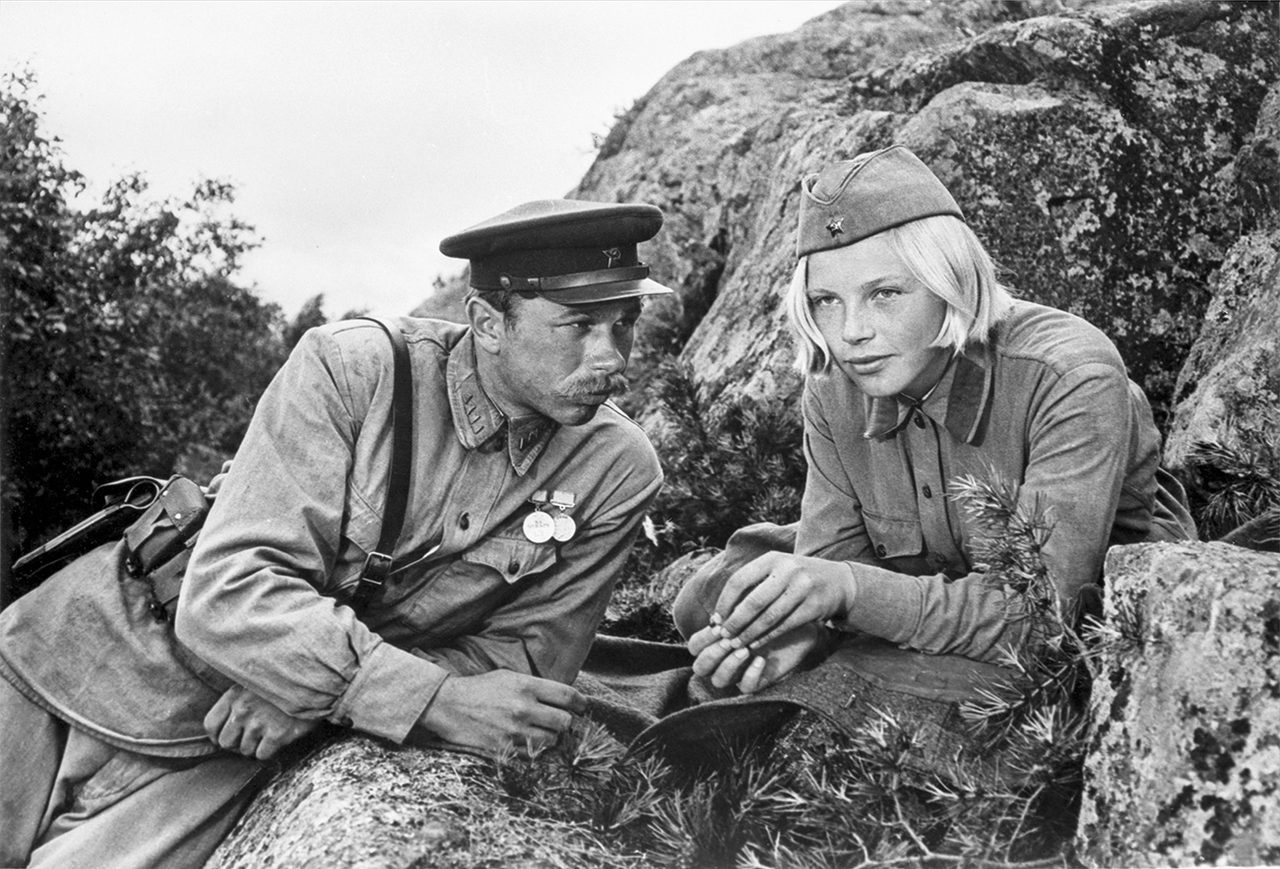
Boris Vasilyev fought in the war as a paratrooper. In 1943, he was wounded and did not return to the front. Later, in the 1950s, during the rise of the so-called ‘lieutenant prose’ movement, he decided to become a writer and to share his wartime experiences alongside others.
His most famous work is ‘The Dawns Here Are Quiet’, in which he described warfare in forests, where there might be only one tiny platoon per a whole square kilometer. Vasilyev read the real story in a newspaper: after his comrades were killed, a sergeant fought off the Germans single-handedly to prevent them from reaching a railway line.
But, the author confessed: To add drama, he decided that his fictional sergeant would have young girls under his guidance.
You can discover the incredible stories of other war heroes in our special project ‘Heroes of War’.
Also, see how World War II unfolded on the Eastern Front in our ‘Path to Victory’ documentary series.