This monument to Pushkin was created in the Gulag!

Sometimes, even a monument has a tragic story behind it.
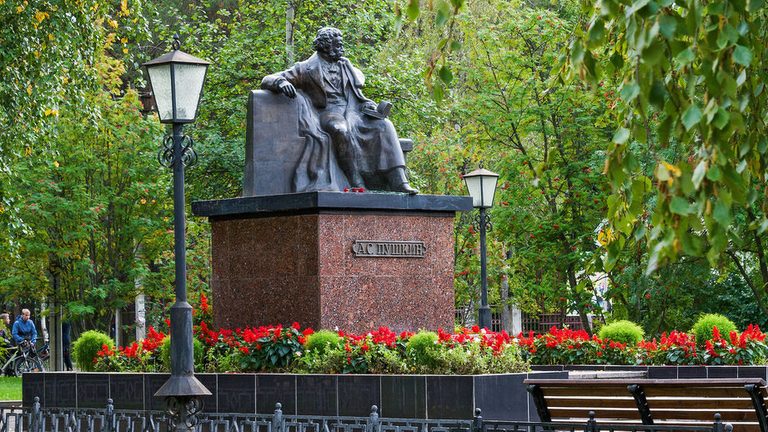
Around 77,000 people live in the northern city of Ukhta, Komi Republic. And one can safely assume that every one of them knows the Pushkin monument standing in the city park. The poet, dressed in a coat, sits on a bench with a book. His figure rises on an imposing pedestal, on which a plaque reads: ‘The monument to A. S. Pushkin was created in 1937 by Bruni Nikolai Alexandrovich (1891-1938). Innocently repressed and died in Ukhtpechlag.’
What was the author repressed for?
Nikolai Bruni was not a professional sculptor, although he came from a dynasty of hereditary artists with Italian roots. By education, he was a pianist and he studied painting at courses of the Academy of Arts, wrote poetry, knew several languages and was even friends with poet Osip Mandelstam.
When World War I began, Bruni volunteered for the front: he served on a medical train, then became a military pilot, miraculously escaped death in a plane crash, became a priest, then a translator of aviation documents and, finally, an aircraft designer.
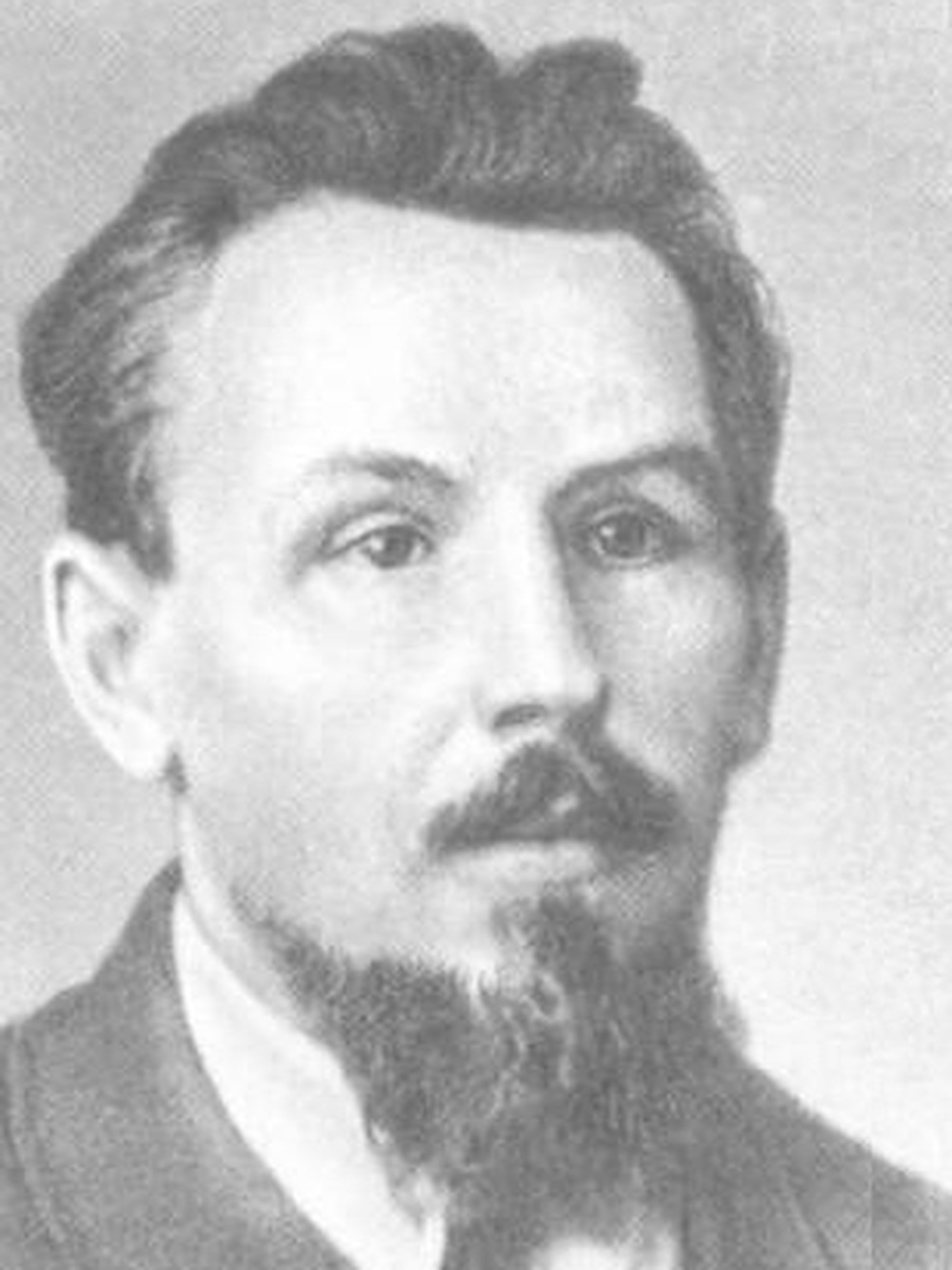
When French pilot Jean Poinssot came to Moscow, Bruni, at some point, accompanied him as a translator. It would seem to be a completely harmless thing. But, it was precisely for this, according to a denunciation, that Bruni was arrested for “espionage and connections with foreigners” and sentenced for five years in the labor camps.
Camp artist
Thus, Bruni ended up in the camp in Ukhta (Ukhtpechlag), where his old talents came in handy – he began drawing posters and other things on the orders of the Gulag authorities.
In 1937, the USSR “celebrated” the 100th anniversary of Pushikin’s death on a grand scale; his images appeared in various forms literally everywhere, down to matchboxes. Camp authorities couldn’t stand by idly – each tried to distinguish himself and show the achievements of the re-education of prisoners. The Ukhta one was among them: it was he who ordered Bruni to sculpt a monument to the poet from available materials.
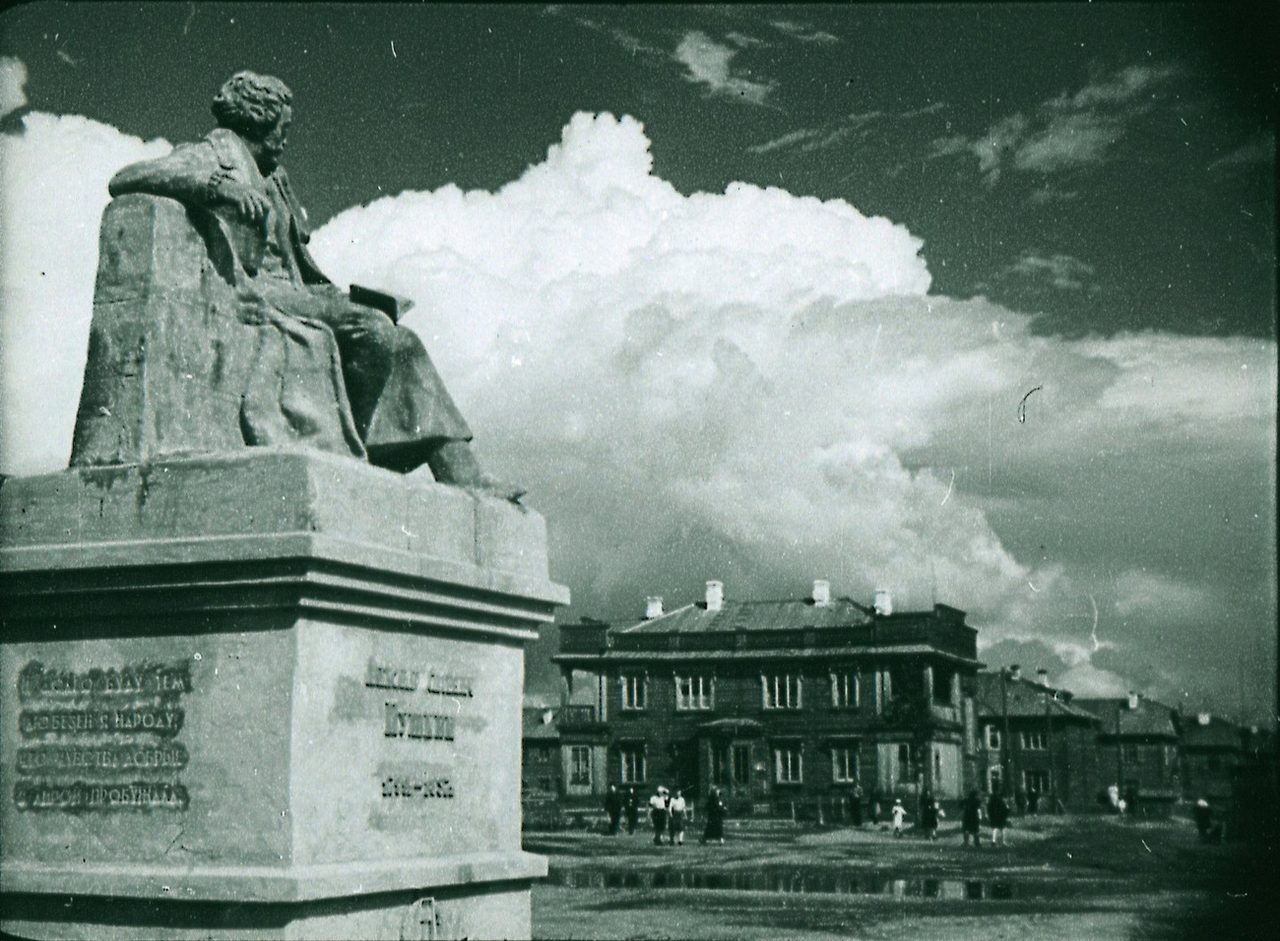
A camp barrack was equipped as a workshop. Bruni made a sketch and, after approval, began sculpting literally from all improvised means. Thus, a pile of bricks became a kind of framework, which he methodically covered with cement. He molded details – such as the book and the head – from gypsum.
The monument was installed in front of the house of the camp commander. For the work performed, Bruni was rewarded – he was allowed a meeting with his wife. It would end up being the last time they would ever see each other. The intensification of repressions led to mass shootings in all camps. And, in 1938, Bruni and another 120 people were shot in Ukhta without trial or investigation. Nikolai’s family was informed of his death only 20 years later – “from pneumonia”.
A monument from the GULAG
The monument itself nearly perished in the following years. After the camp closed, it was moved from place to place and, eventually, installed in a children's park. In the 1990s, it was covered with a wooden sarcophagus, so that the sculpture would not be completely destroyed. At the same time, Ukhta artists made a mold from Bruni's work for casting and the bronze casting itself was produced in St. Petersburg.
In 1999, for the 200th anniversary of Pushkin's birth, a bronze copy was installed in Ukhta in a square on a street also bearing the poet's name. And what remains of the original monument is kept in the local museum.