How Byron ‘infected’ Russian Literature with melancholy
In the early 19th century, all of educated Europe, including Russia, was gripped by a profound sense of disillusionment.
The ideals of the French Revolution had failed to live up to their promise and a pervasive feeling of lostness hung in the air. It was at this precise moment that Lord Byron stepped onto the literary stage; his works, filled with a rebellious spirit and a dark, brooding melancholy, found fertile ground.
Byronism reached Russia in the early 1820s. Russian readers gained access to ‘Childe Harold’s Pilgrimage’, ‘The Giaour’ and other poems. Their main character – a disillusioned, solitary and proud outcast – became the quintessential idol of the era. Russian society saw in Byron the voice of its own vague and painful feelings.
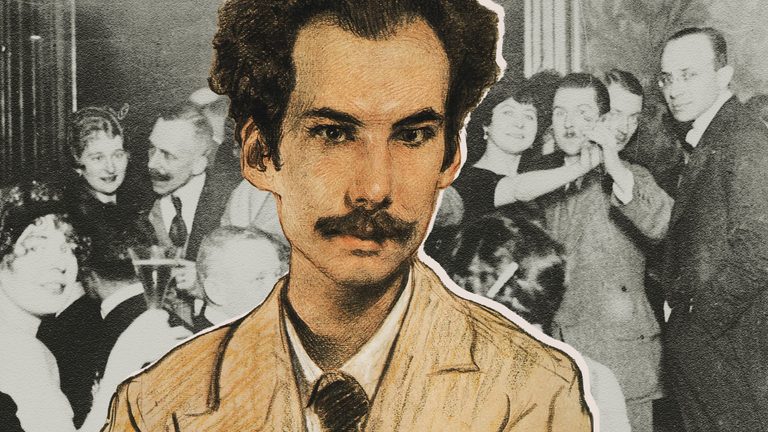
This "melancholy" quickly became fashionable. Young aristocrats began to emulate the Byronic hero: they adopted an air of cold disillusionment, spoke of the "premature aging of the soul" and sought out solitude.
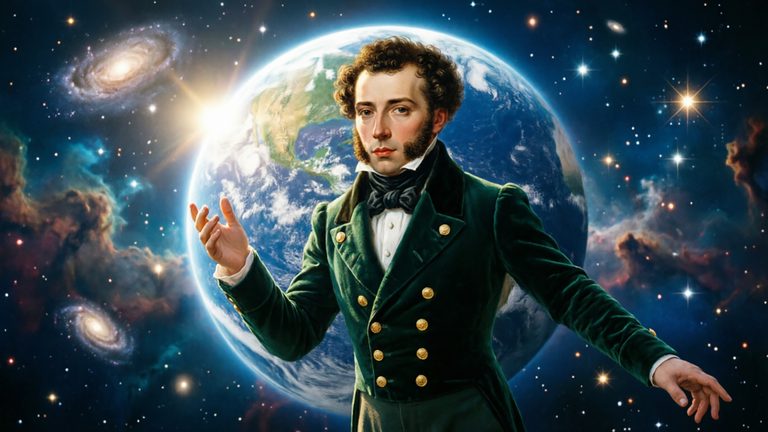
Alexander Pushkin and Mikhail Lermontov served as both the primary conduits for this trend in Russia and its most astute critics. By his own admission, Pushkin was infatuated with Byron, writing ‘The Prisoner of the Caucasus’ and ‘The Gypsies’ under his influence. In time, however, he moved beyond this influence, offering an ironic take on the Byronic craze in ‘Eugene Onegin’. Lermontov, by contrast, inherited and intensified these Byronic motifs; his characters Pechorin and the Demon are distinctly Russian variations of that same disillusioned, rebellious hero.