

What are the names of Russian cities in other languages?


For Russians, these names sound utterly exotic – one can only marvel at the mosaic of sounds!
Moscow

The Russian name comes from the river of the same name.
And, although, ‘Moscow’ sounds similar in almost every language, some variants seem unusual:
- ‘Moscú’ – this is what Moscow is called in Spanish.
- ‘Mosca’ – this is the Italian adaptation.
- ‘Mosukuwa’ – this is how the Japanese write ‘Moscow’, all because of the peculiarities of their alphabet, which does not allow for consecutive consonants. They have to add more vowels!
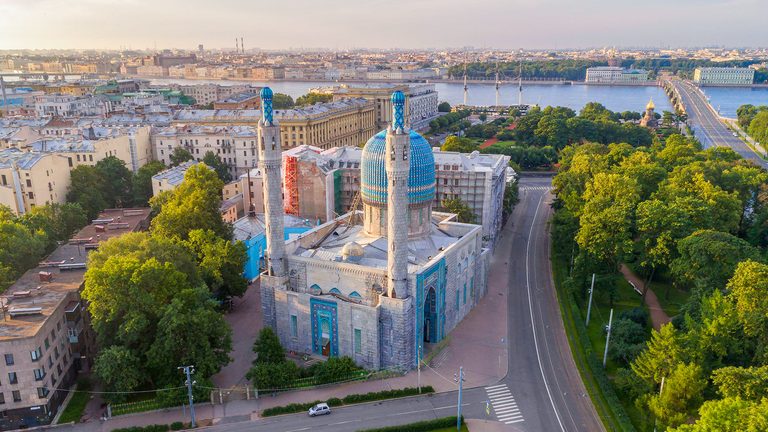
St. Petersburg

The city is named after the Apostle Peter, the heavenly patron of its founder, Peter I. Here’s how the city is called in other languages:
- ‘Szentpétervár’ – in Hungarian, literally ‘Saint Peter’ + ‘vár’ (city).
- ‘Pietari’ – in Finnish; this is simply a shortened adaptation of the name ‘Peter’.
- ‘Cathair Pheadair’ – literally ‘city of Peter’ in Irish.
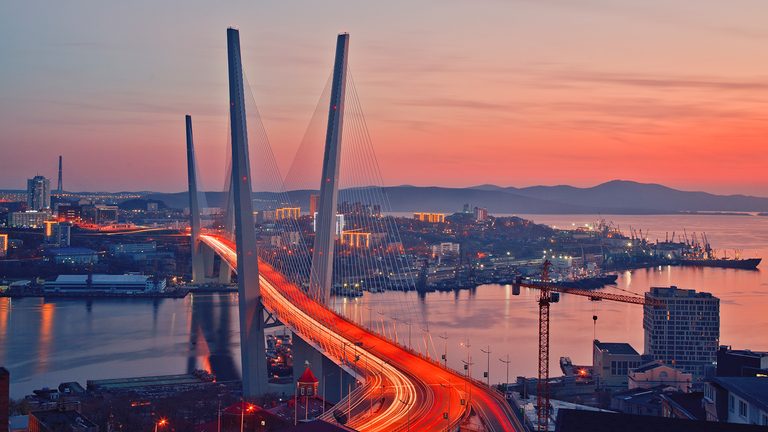
Vladivostok

Among the foreign names for Russia’s Far Eastern city, the most interesting turned out to be the Eastern variants.
- ‘Beulladiboseutokeu’ – this is what Vladivostok is called in Korean.
- ‘Urajiosutoku’ – and this is how the Japanese refer to it.
- ‘Fúlādíwòsītuōkè’ – this is the official name of the city in Chinese. There is also an unofficial, but very common name – ‘Hǎishēnwǎi’, literally ‘sea cucumber bay’. Historically, the Chinese used this name for the Golden Horn Bay, where Vladivostok is located.
Kaliningrad

Until 1946, Kaliningrad was called Königsberg and this name can still be heard in the languages of neighbouring countries.
- ‘Królewiec’ – in Polish, Kaliningrad literally means ‘king’s city’.
- ‘Karaliaučius’ – similarly in Lithuanian.
- ‘Karaļauči’ – likewise in Latvian.
Veliky Novgorod

This ancient Russian city was a major center of trade and crafts, which is why it earned the title ‘Veliky’ (‘Great’).
It’s even mentioned in the Norse sagas!
- ‘Hólmgarður’ – “island city” – is what it is still called in Iceland. In ancient times, the Scandinavians called ‘Holmgard’ the capital of Garðaríki, i.e., Old Russia.
- ‘Novogárdia Magna’ – this is the Portuguese literal translation of the Russian name.
- ‘Novgorod le Grand’ – this is what Veliky Novgorod is called in French.
Kazan

The name is derived from a word with Turkic roots – ‘kazan’ (‘cauldron’; legends point either to an actual cauldron that the first inhabitants dropped into the river or to the landscape resembling a cauldron).
- ‘Cazã’ – this is how the city is called in Portuguese.
- ‘Qozon’ – this is the Uzbek variant of Kazan.
- ‘Kāshān’ – and this is how it is known in Chinese.
Arkhangelsk

This historic northern Russian city was named after the Mikhailo-Arkhangelsky Monastery.
- ‘Arcángel’ – this is how the city is called in Spanish, literally ‘Archangel’.
- 'Arkangeli’ – this is the Finnish name for the city.
- ‘Archangelopolis’ – and this is the city’s official name in Latin.