
How tsarist-era cocoa became popular in the USSR & modern Russia

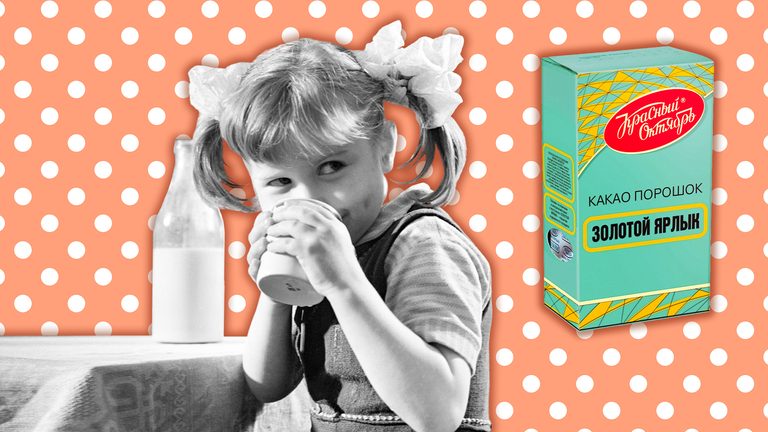
The recognizable green packages of cocoa powder are familiar to everyone who grew up in the Soviet Union. And it’s still being produced today – for over 100 years already!
The first mention of ‘Zolotoy Yarlyk’ (literally ‘Golden Label’) cocoa dates back to 1908, appearing in the inventory of the ‘Einem’ confectionery factory. The same factory also produced a dessert chocolate of the same name.
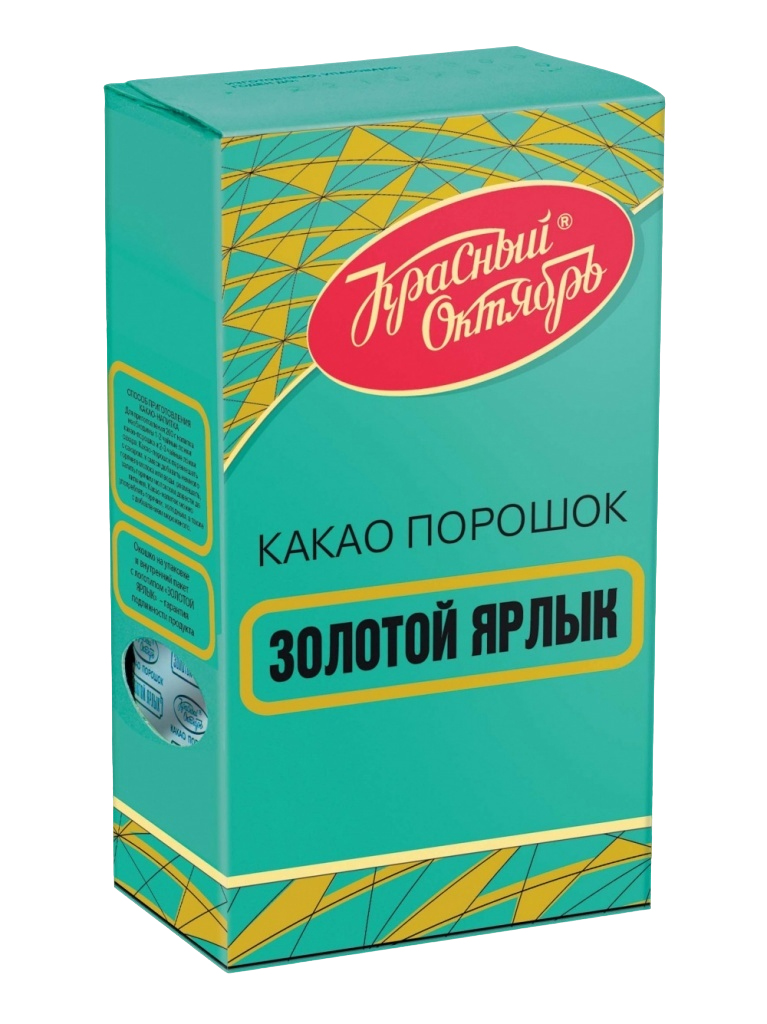 ‘Zolotoy Yarlyk’ (literally ‘Golden Label’) cocoa
Cocoa was drunk by aristocrats and the bohemian elite – for example, the poets of the Silver Age. Vladimir Mayakovsky even wrote poetic lines about the power of this drink.
After the 1917 Bolshevik Revolution, the confectionery production was nationalized and, from that time on, the factory became known as ‘Krasny Oktyabr’ (‘Red October’).
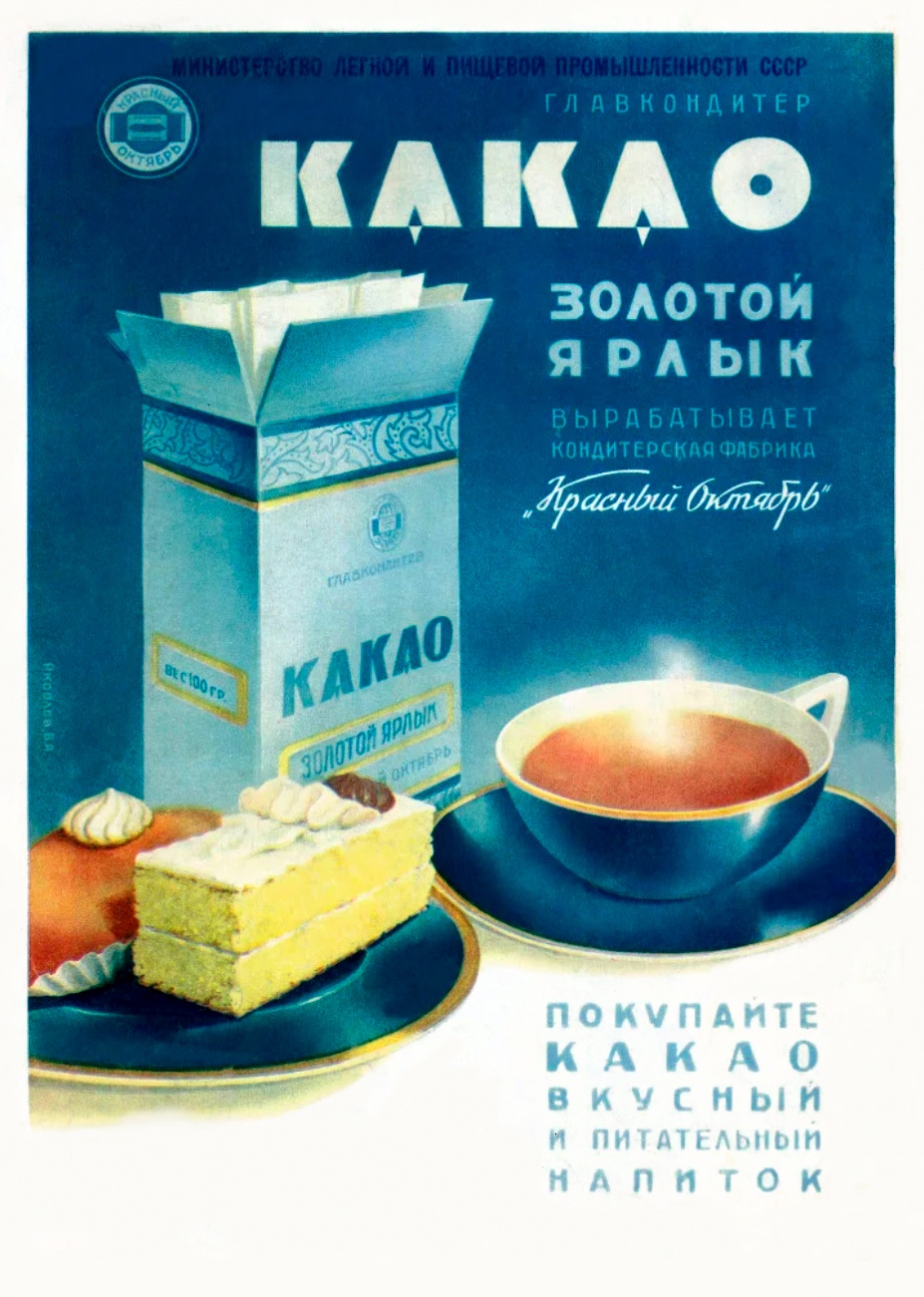
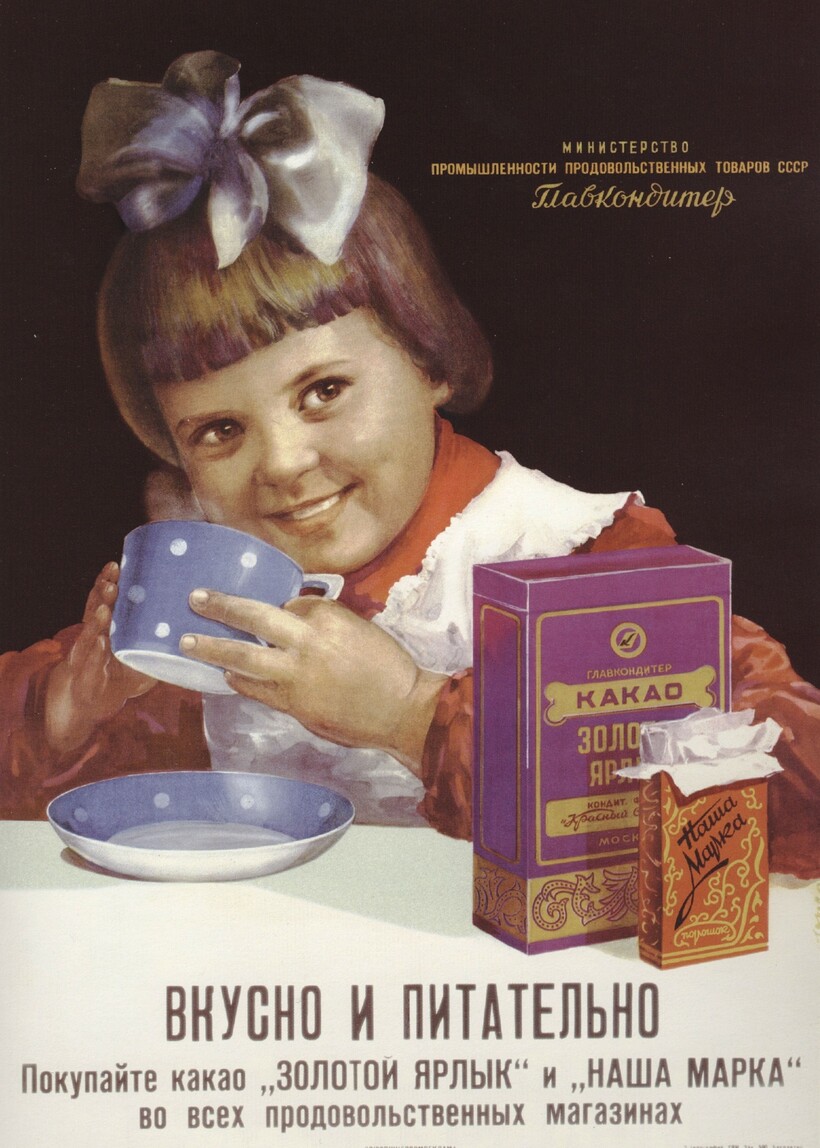
And, gradually, cocoa began to become a people's drink, with advertising highlighting its health benefits and rich flavor. By the way, ‘Zolotoy Yarlyk’ contains no added sugar – its composition is crystal clear: cocoa powder and vanillin flavoring.
At the same time, its fat content is at least 15% – which was highly valued in the USSR, as this high-calorie drink was actively given to children. Moreover, scientists discovered that cocoa has a positive effect on brain function!
In the 1960s, production increased sixfold – and it was precisely then that the design of the green packaging, now so recognizable, first appeared. There was no shortage of raw materials or cocoa beans, as they were delivered in abundance from friendly socialist countries in Latin America and Africa.