
What seals live in Russia & where to see them? (PHOTOS)

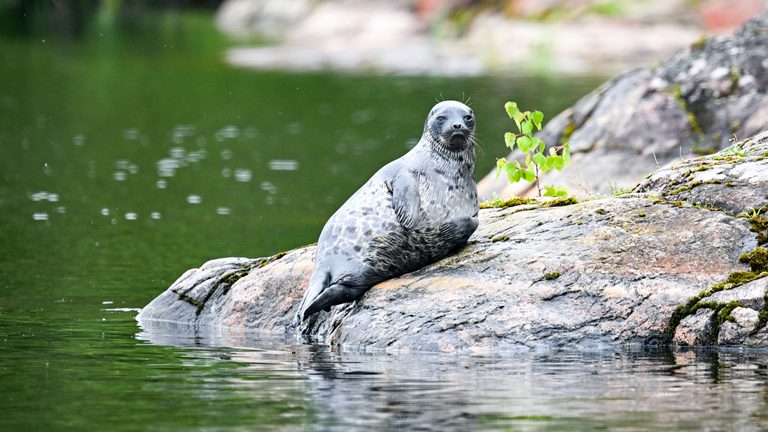
Biologists distinguish between two families of seals: true seals (Phocidae) and eared seals (Otariidae), which have retained small external ear flaps from their ancient ancestors. The former descended from weasels, while the latter descended from bears. Representatives of both families live in Russia.
1. Harbour seal (Phoca vitulina)
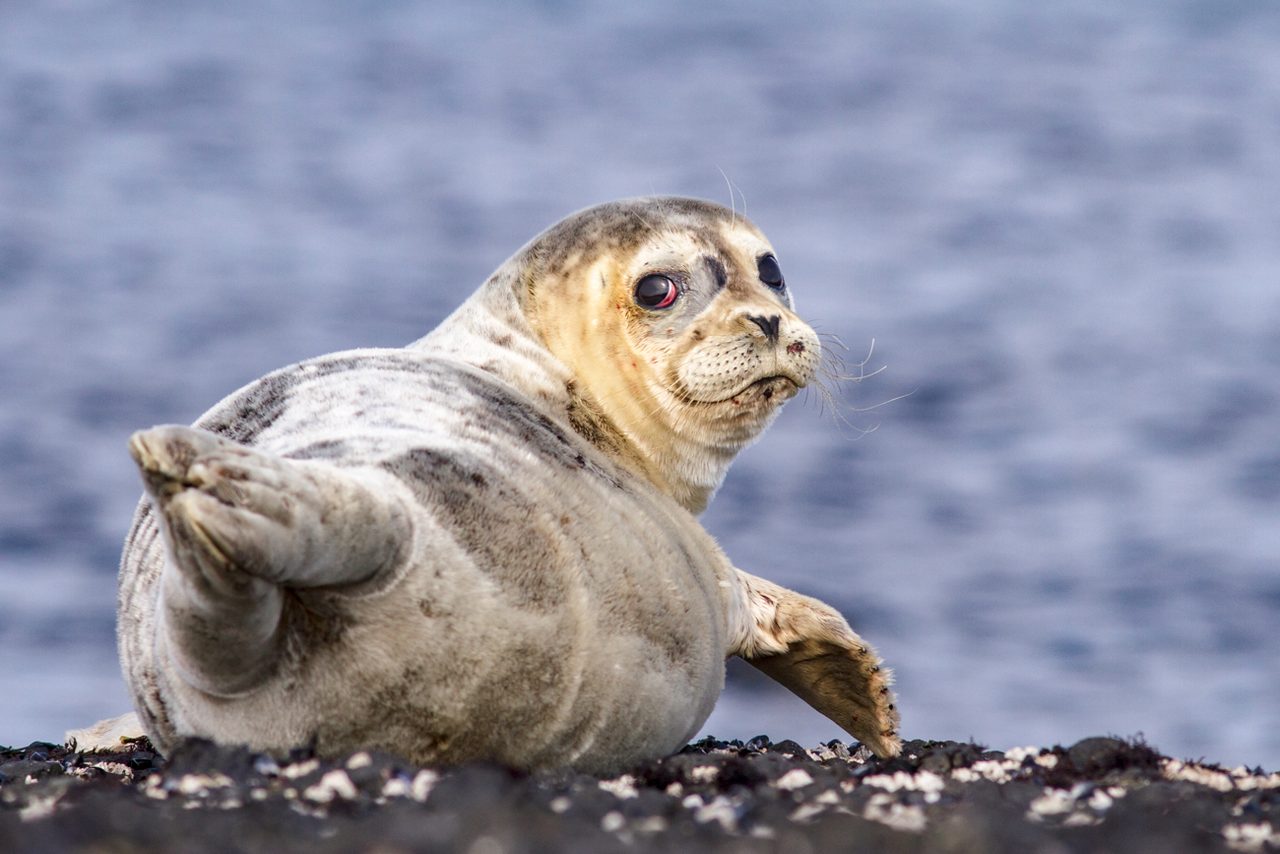
This small seal (weighing up to 130–150 kg) is found in the cold seas of the Arctic. In Russia, two subspecies are listed in the Red Data Book – the European seal, which inhabits the Baltic Sea, and the Antur, also known as the Stejneger seal or the island seal. It is found only on the Kuril Islands, Kamchatka and the Commander Islands. The Antur can be recognized by its unusual coloring: bright ring-shaped spots all over its body form floral patterns.
2. Spotted seal (Phoca largha)
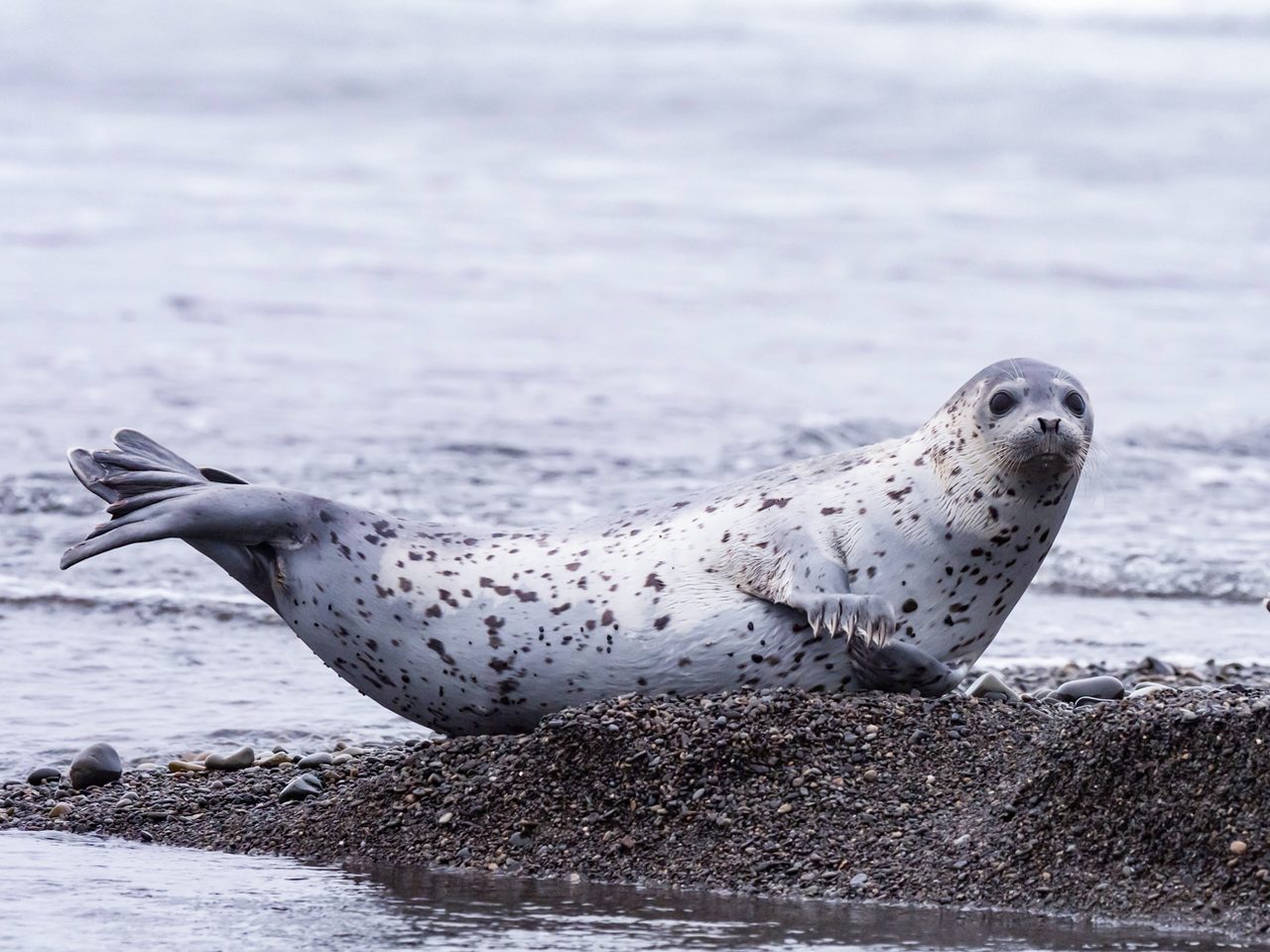
The closest relative of the Antur has a very distinctive appearance – silvery fur with dark spots. In Russian, it is called ‘larga’. The spotted seal is considered a symbol of the Far Eastern Marine Reserve.
3. Bearded seal (Erignathus barbatus)
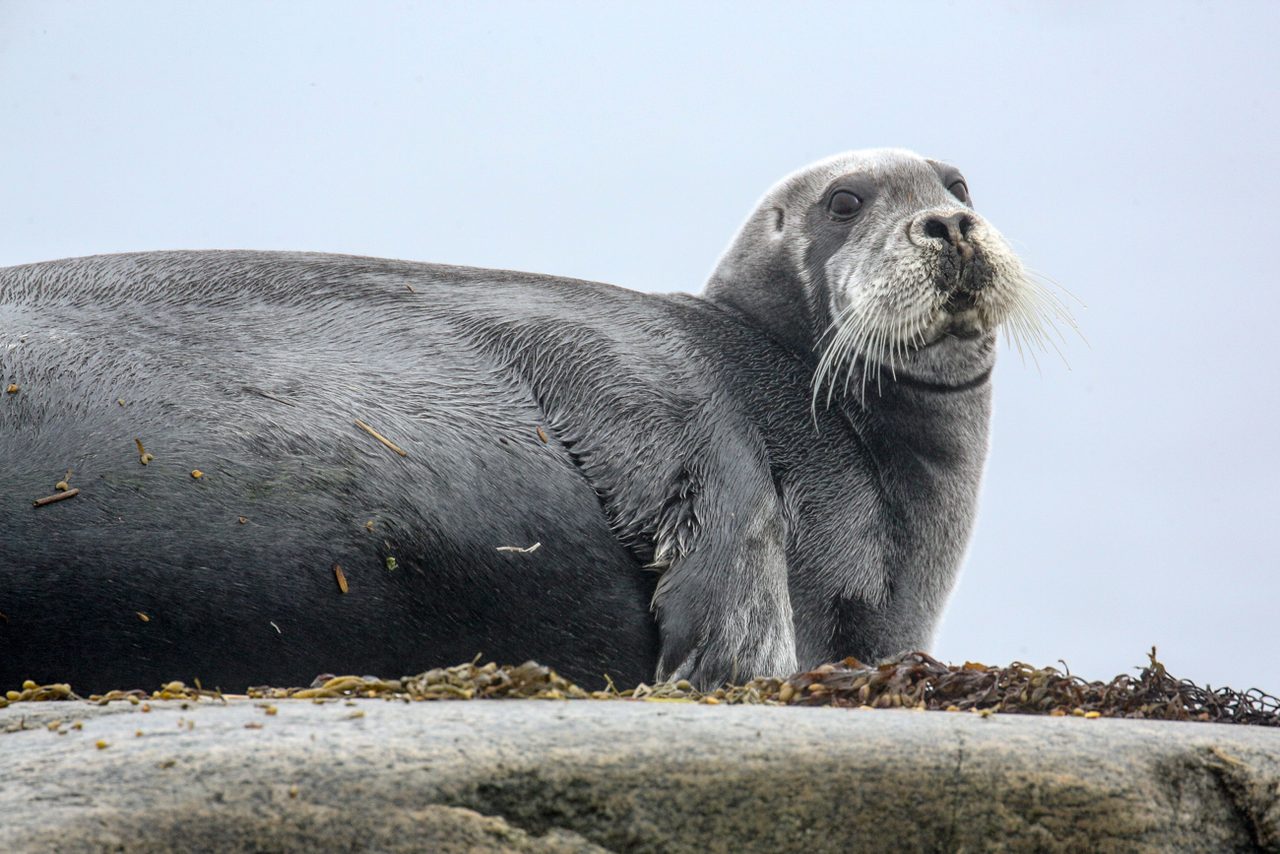
The largest representative of the true seal family in Russia (up to 360 kg) got its Russian name ‘Morskoy zayats’ (literally ‘sea hare’) from its timid nature and its habit of moving on land by hopping. It’s also referred to as the bearded seal, due to its long whiskers. The indigenous peoples of the North gave it the name ‘lakhtak’, which means ‘fat’. Bearded seals live solitary lives in the cold waters of the northern seas and on the shallow shelves of the Arctic Ocean. However, when the breeding season comes, they emit melodic whistles.
4. Harp seal (Pagophilus groenlandicus)
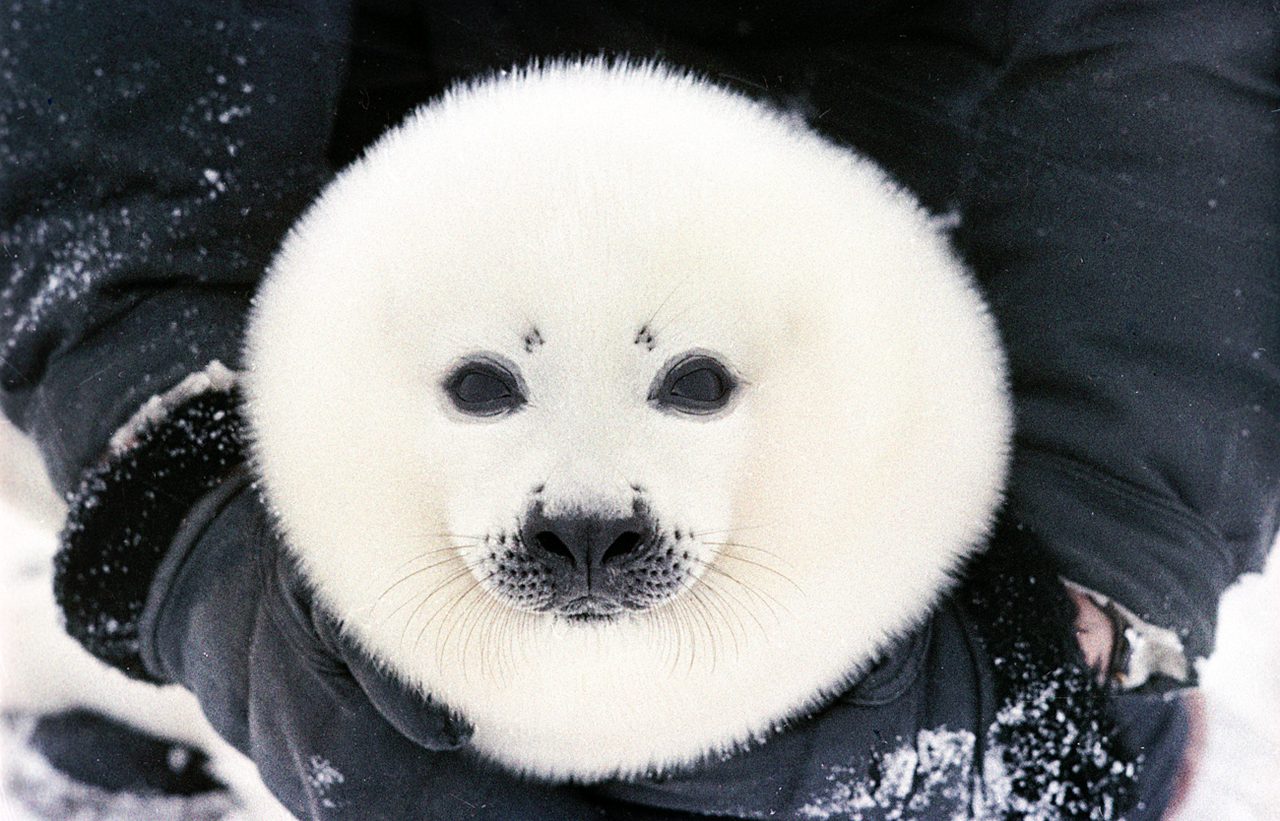
It lives in the White and Barents seas. Because of the harp‑like pattern on its back, it is called the harp seal in English. However, in Russian, it’s called the ‘Greelandsky seal’. It prefers cold sea ice, where the females give birth to their pups – ‘belki’ (‘whitecoats’), the adorable seals with fluffy white fur.
5. Grey seal (Halichoerus grypus)
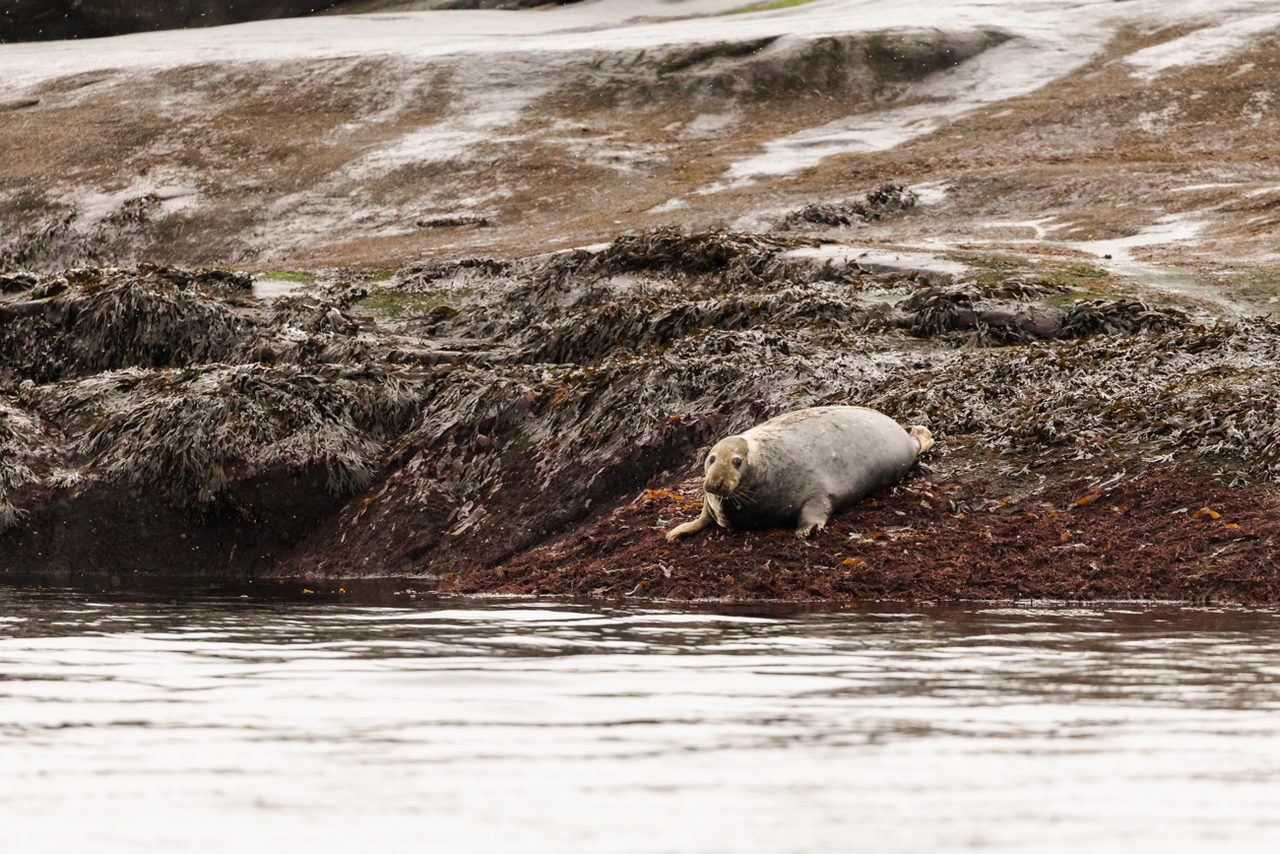
Also known as the ‘Dlinnomordy’ (‘long-snouted’) seal and the ‘Tevyak’. This is a large animal (up to 300 kg) that lives in the waters of the Kola Peninsula. There is also a separate Baltic subspecies of the grey seal in the Baltic Sea.
6. Ribbon seal
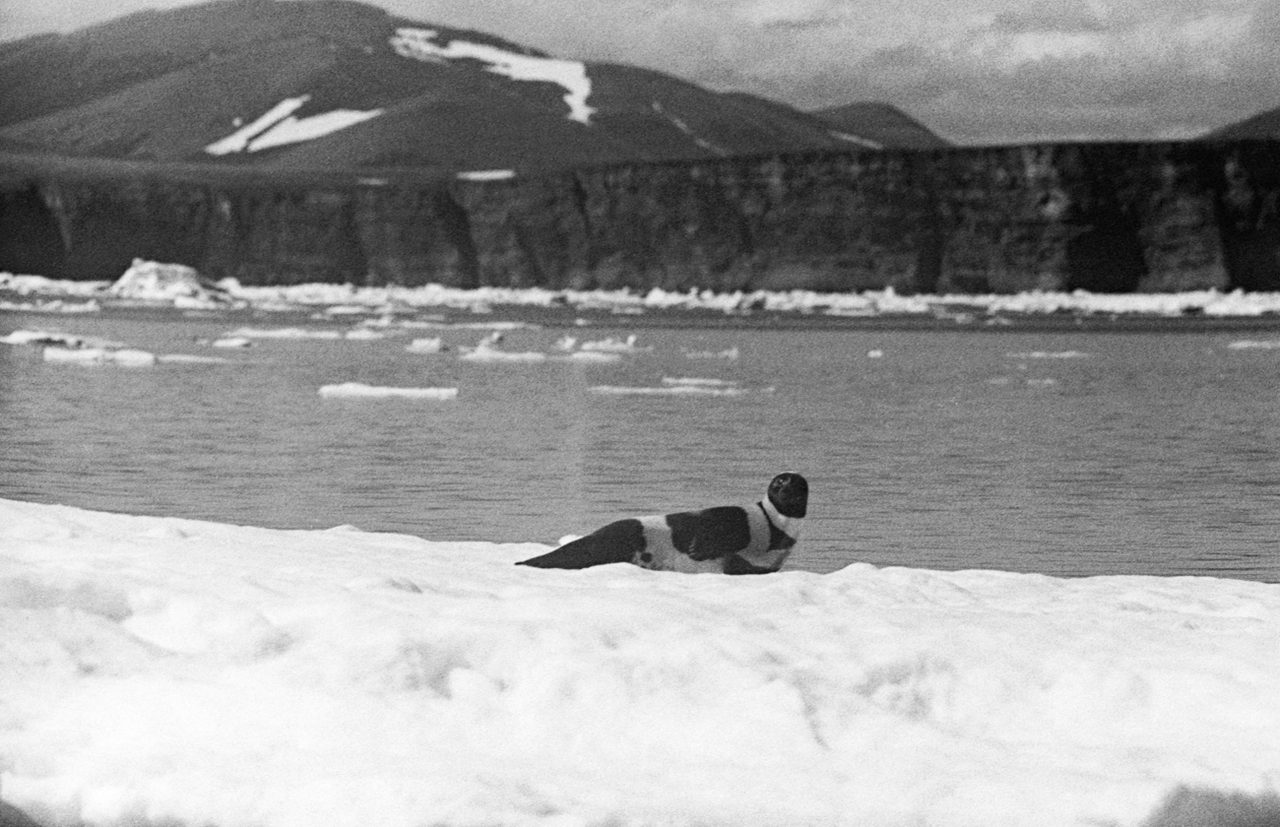
This seal almost looks as if it borrowed its coloration from a panda or a zebra. Another name ‘Krylatka’ for this species is the "winged seal", because, from a distance, the pattern resembles the flapping of wings. The most distinct stripes can be observed in adult males. This seal lives in the Bering, Okhotsk and Chukchi Seas and rarely approaches humans.
7. Nerpa (genus Pusa)
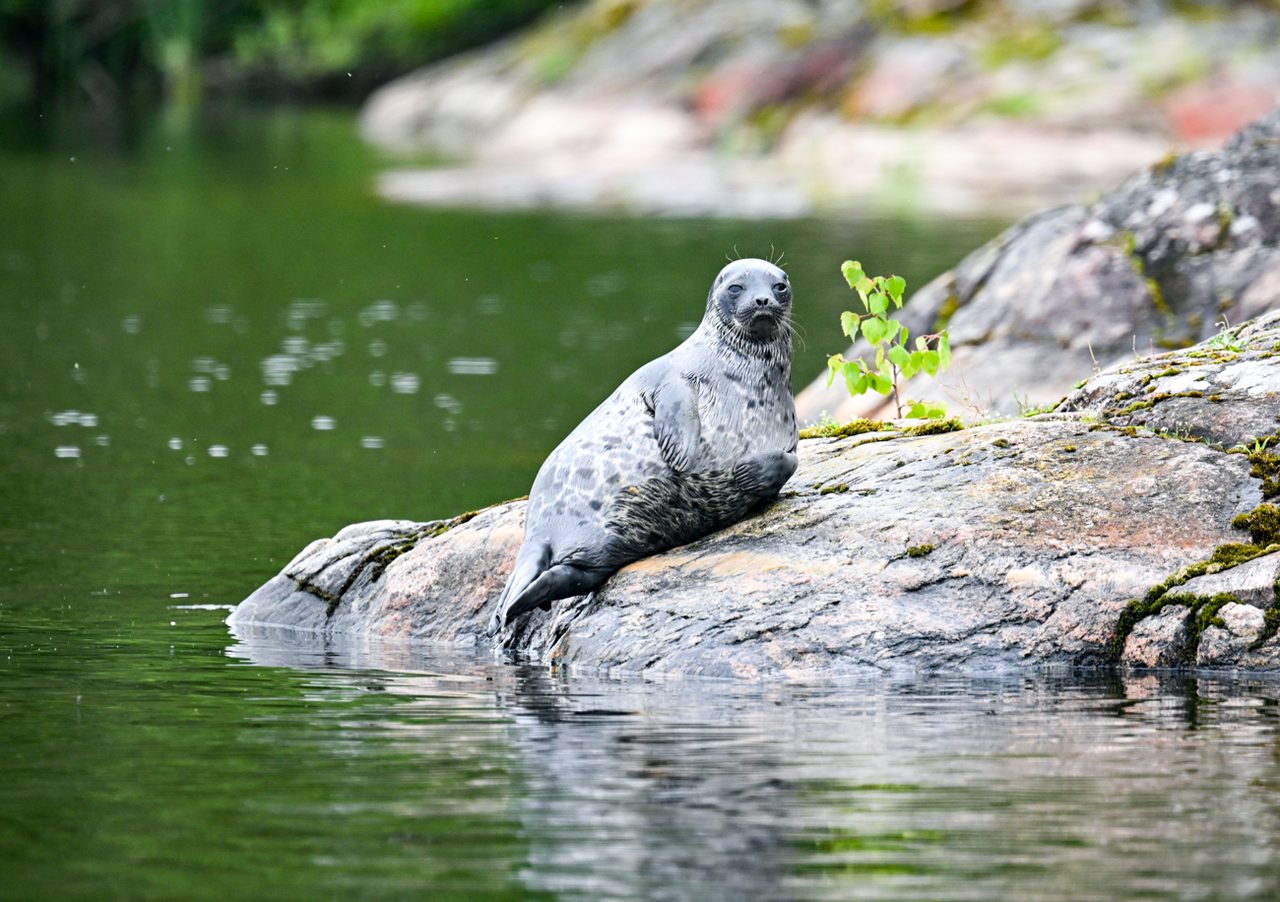
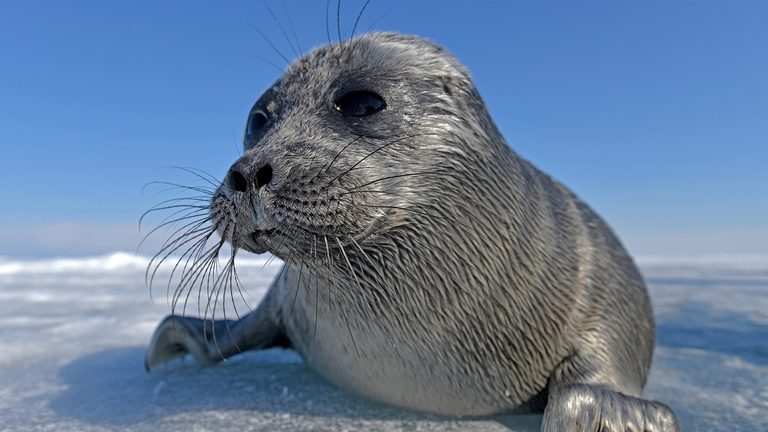
This is a separate genus within the Phocidae (true seal) family. It differs from other seals in its small size, short snout and black, bottomless eyes that look as if they are filled with tears. They aren’t sad; it’s just that, when they’re out of the water on land, their bodies secrete a special fluid to moisten their mucous membranes. The nerpa lives not only in saltwater, but also in freshwater. In Russia, you can encounter:
- the Baikal seal (Baykalskaya nerpa) on Lake Baikal;
- the Caspian seal (Kaspiyskaya nerpa) in the Caspian Sea;
- several varieties of ringed seals (so named because of the ring‑shaped patterns on their fur):
- the Baltic ringed seal (Baltiyskaya nerpa) – in the Gulf of Finland;
- the Ladoga ringed seal (Ladozhskaya nerpa) – in Lake Ladoga;
- the White Sea ringed seal (Belomorskaya nerpa) – in the White Sea;
- the Far Eastern Akiba (Dalnevostochnaya akiba) – in the Sea of Okhotsk.
8. Northern fur seal (Callorhinus ursinus)
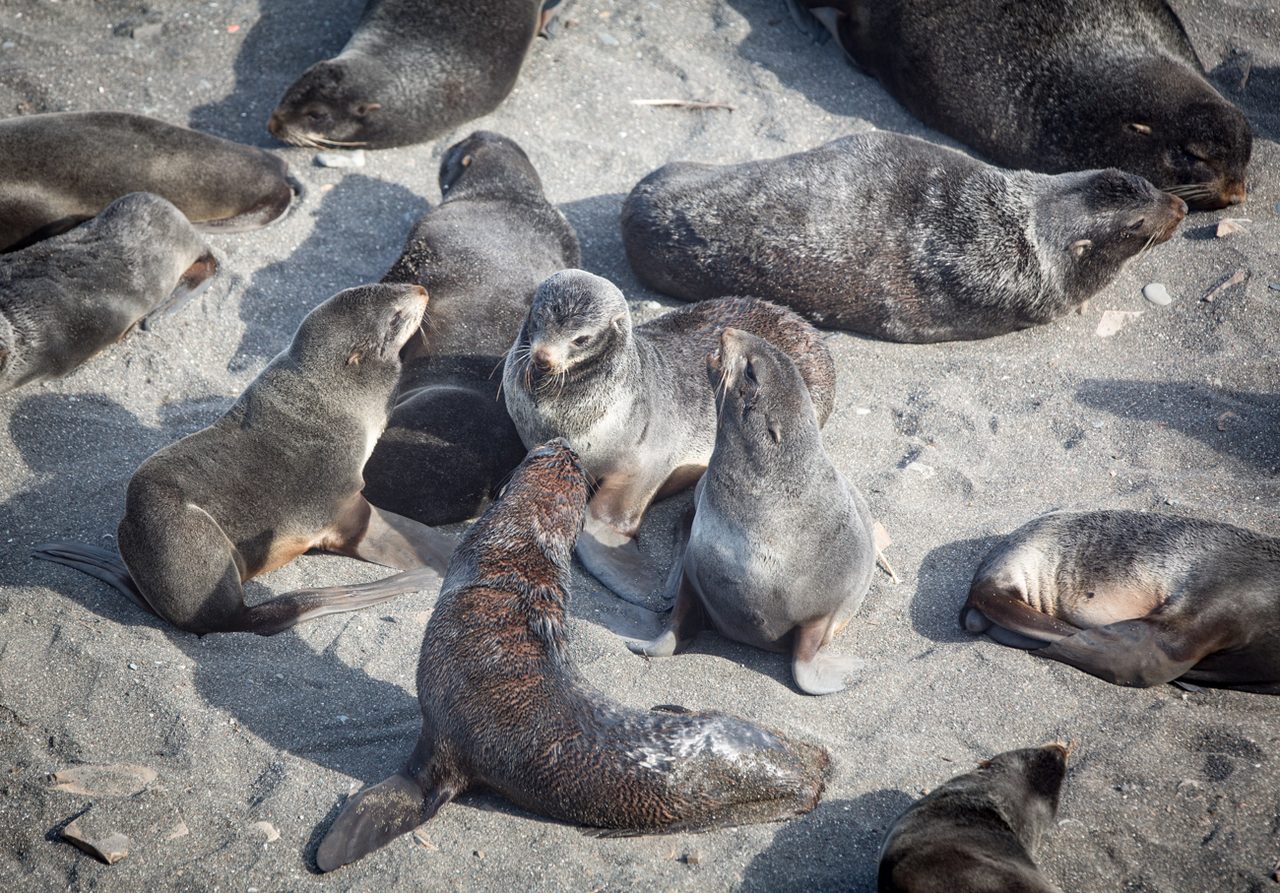
There are two species of eared seals in Russia: the northern fur seal (severny morskoy kotik) and the Steller sea lion (Sivuch). Both species live in the Far East: on the Kuril Islands, the Commander Islands and other islands in the area.
A distinctive feature of this species is that the male is much larger than the female: a male northern fur seal can reach 320 kg, while a female weighs only about 70 kg.
When it is time to start a family, northern fur seals occupy rookeries. The competition for the best spot can be very noisy, but, when the pups are born, the fur seals organise "kindergartens" and put all disputes aside.
9. Steller sea lion (Eumetopias jubatus)
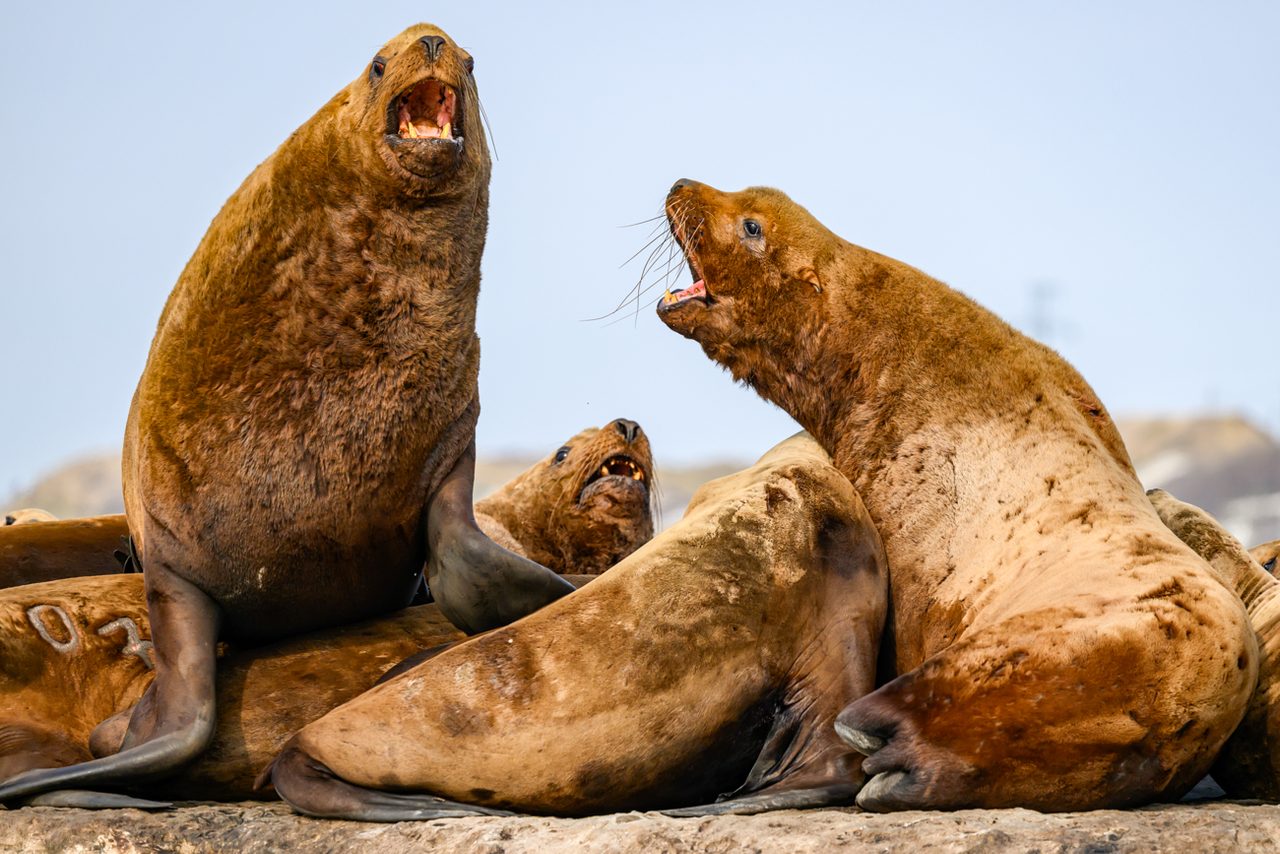
This is the closest relative and rookery neighbor of the northern fur seal. The Steller's sea lion is simply a massive animal! A female weighs up to 350 kg and a male – up to a metric ton! It’s the largest member of the eared seal family.
Many Steller sea lions are unafraid of people and may even approach fishermen to take their surplus fish. These sea lions have a lion-like appetite!