
The ULTIMATE list of official (& unofficial) symbols of Russia (PHOTOS)

From the flag to the satellite, you'll be up to speed with our handy guide.
OFFICIAL
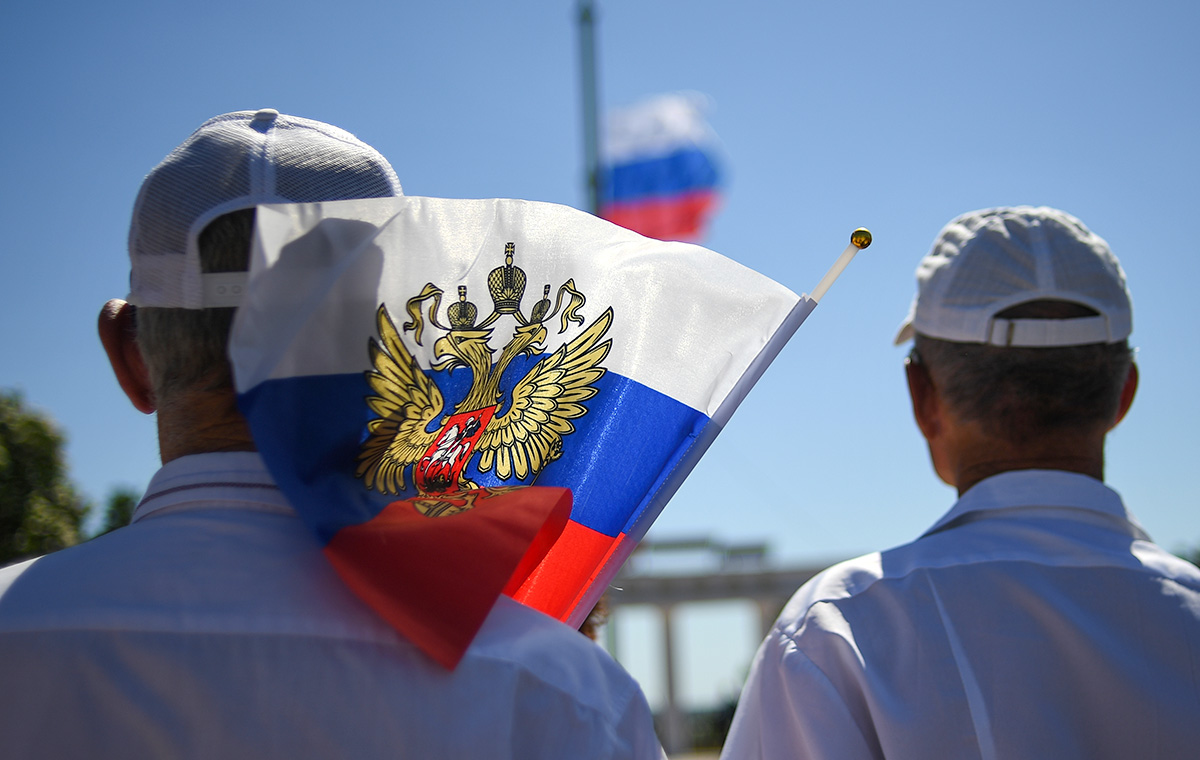
We've covered these in detail here.
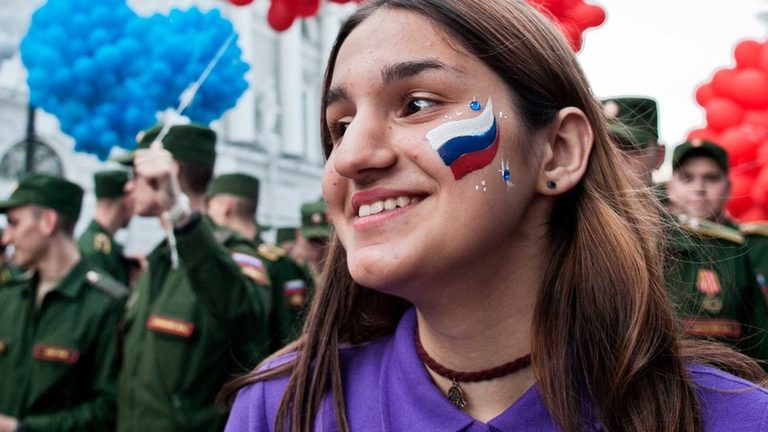
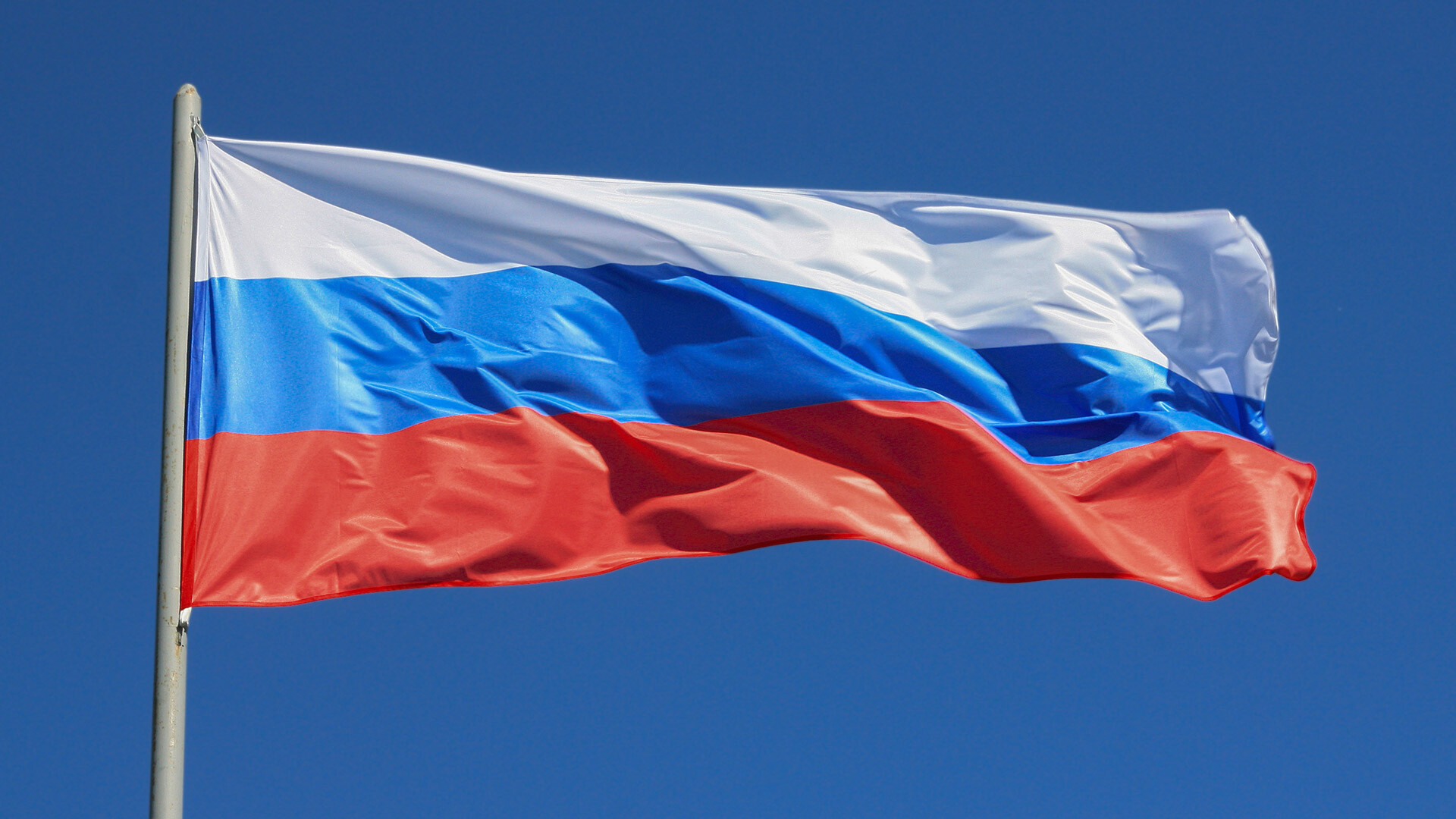
1. You can read all about the Russian flag here.
2. Find out about the evolution of the Russian anthem here.
3. Discover more about the coat of arms here.
UNOFFICIAL
4. Birch
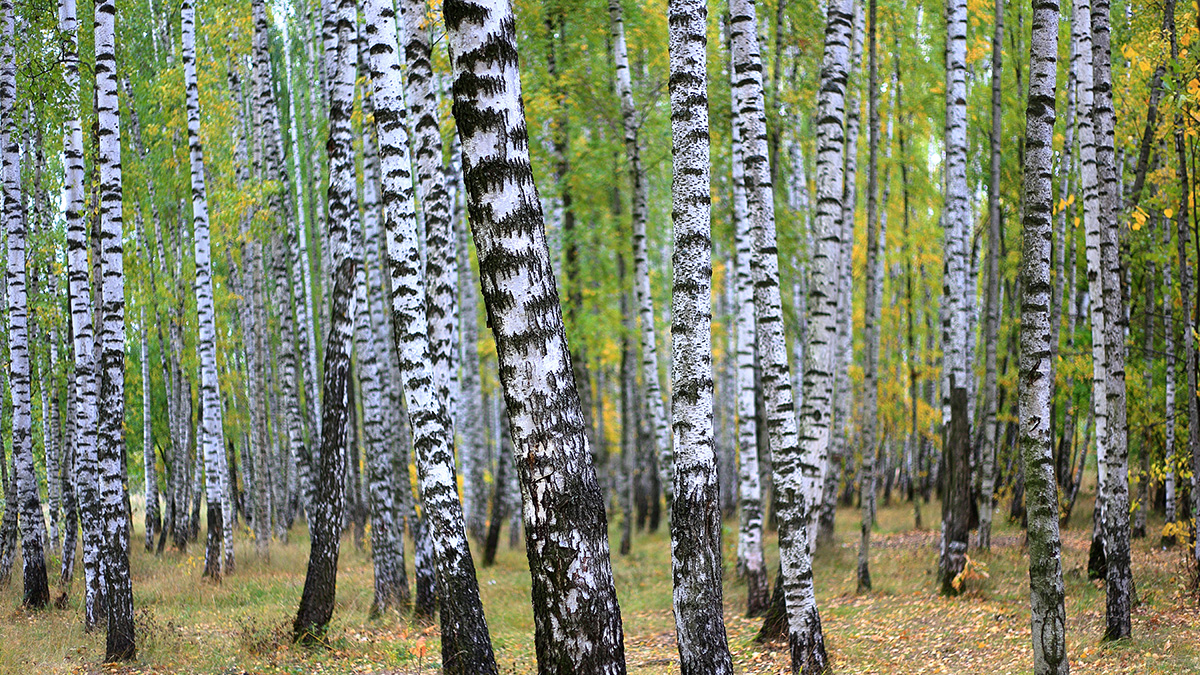
This tree is one of the most common in Russia.
In ancient times, the birch was believed to protect against evil spirits. And, on Trinity Sunday, homes and churches were decorated with birch branches and wreaths were woven from them.
In the second half of the 19th century, there was a veritable "birch boom": poets and artists celebrated the quiet, understated beauty of this tree. It's difficult to count how many landscapes depicting birch groves painters have created in world art, but it's safe to say that it's one of the most recognizable symbols of Russia, a "native note" that can be unmistakably recognized anywhere in the world.
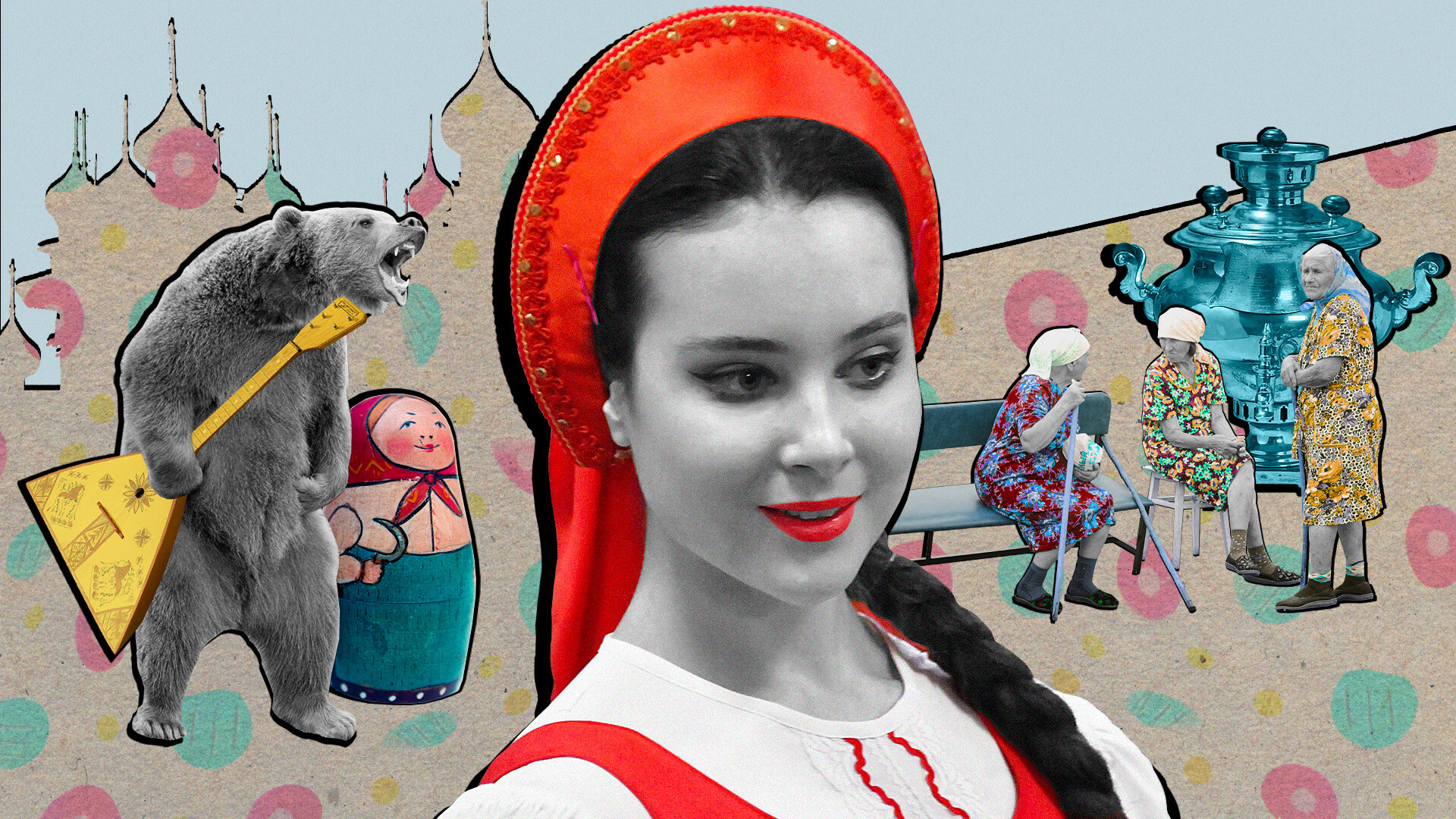
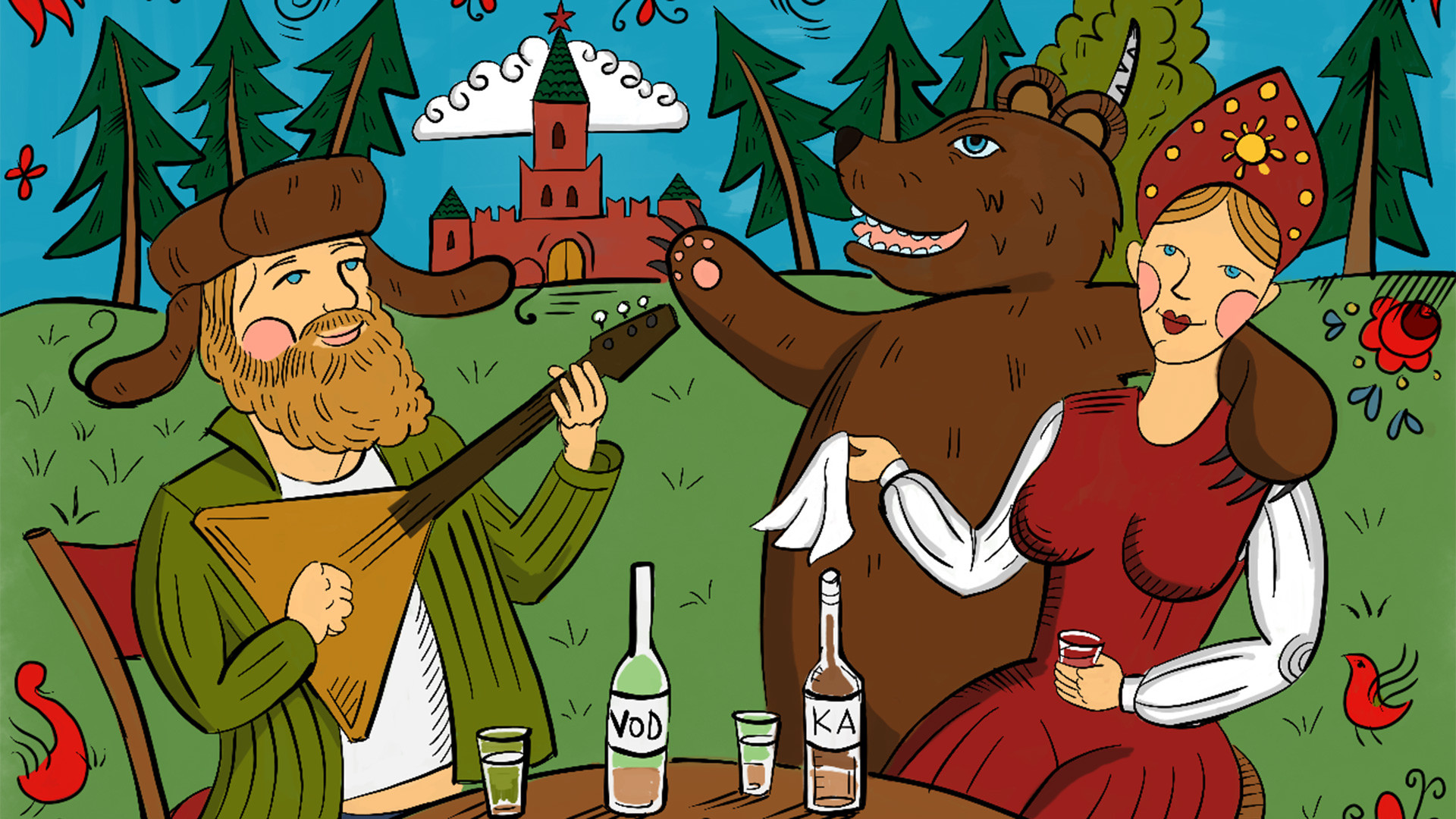
5. ‘Balalaika’
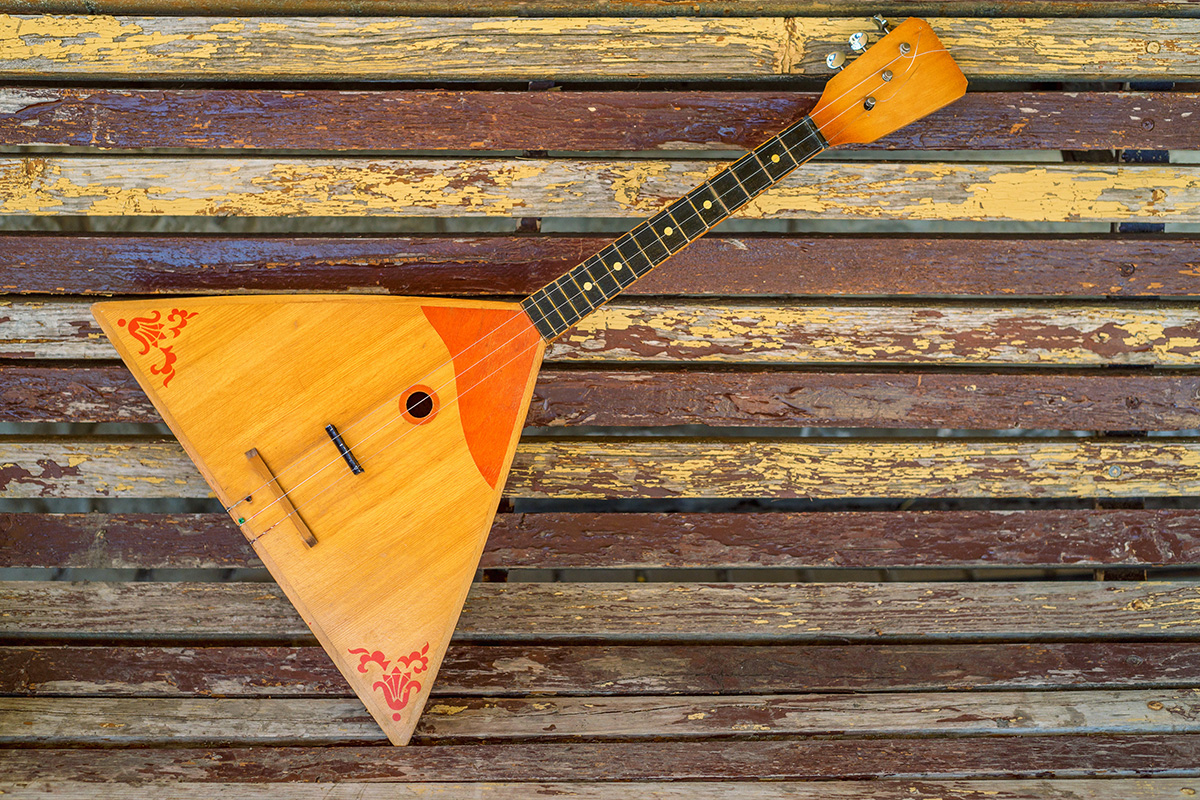
The exact origin of this stringed instrument is unknown. It's believed that Russian merchants brought it to Volga Bulgaria as early as the 10th century. The ‘balalaika’ became widespread in the late 17th century. One of the earliest references to it appears in documents from 1688. They state that two men and a ‘balalaika’ were brought to the Streletsky Prikaz in Moscow and that they rode through the Yauza Gate to the sound of the instrument, managing to hurl insults at the guards between songs and performances.
The ‘balalaika’ took on its modern form in the second half of the 19th century. Around that time, it became one of the most widespread instruments, played by both peasants and even orchestras.
The world first learned about the Russian ‘balalaika’ in 1889, when Russian musicians performed at the World's Fair in Paris and then toured Europe. This three-stringed instrument captivated not only the hearts of ordinary people, but also monarchs. In 1909, musician Boris Troyanovsky even played the ‘balalaika’ for King Edward VII of Great Britain and King Manuel II of Portugal.
6. The brown bear

The brown bear is far from the only large animal inhabiting Russia, but it has become a symbol of the country for many. There are several quite practical reasons for this. First, in the old days, a bearskin was one of the most common gifts given to foreign ambassadors. Second, the trained bears that Europeans saw came to them mainly from Russia. In the 16th century, the image of a bear was used in the design of geographical maps of our country. Later, the name ‘Russian Bear’ was added to the visual image.
Well, bears really did roam Russian streets in the old days and special bear troops even marched. The large, clumsy bear, the stern master of the forests, is both a symbol of the country's power and the fact that this animal will never attack first, unless it is sufficiently angered.
7. ‘Valenki’
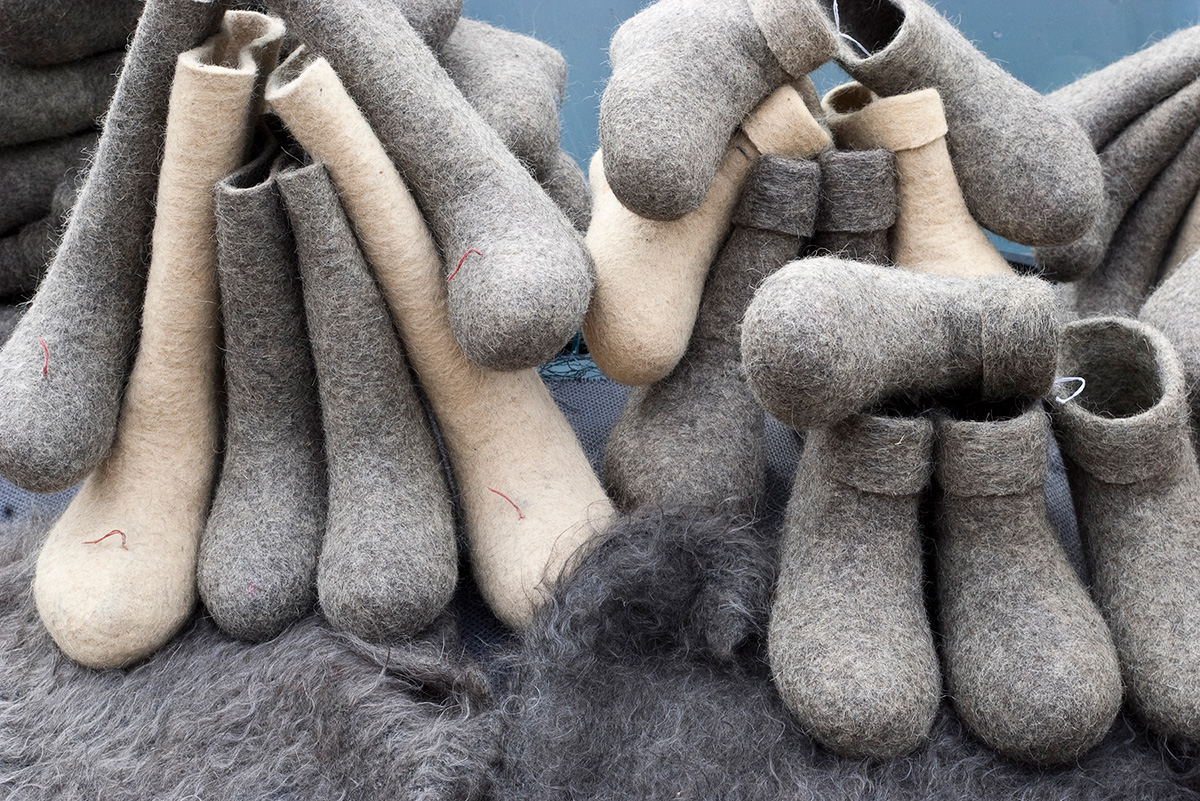
Felted wool boots were indispensable footwear for those who lived or roamed in harsh climates. ‘Valenki’ came to central Russia from Siberia and only the wealthy could afford them. But, by the mid-19th century, simple boots could be found in both peasant homes and noble mansions. Though they may have looked plain, they kept one warm even in the bitterest cold. At first, Russian ‘Uggs’ were made by hand, but, over time, entire workshops and then factories sprang up to produce them. Some of them still exist today. For example, in the Tatar village of Kukmor, where they make not only traditional felt boots, but also develop modern models in a variety of designs. And, at a factory in Yaroslavl, the felt material for ‘valenki’ is still rolled out by hand.
8. Ballet
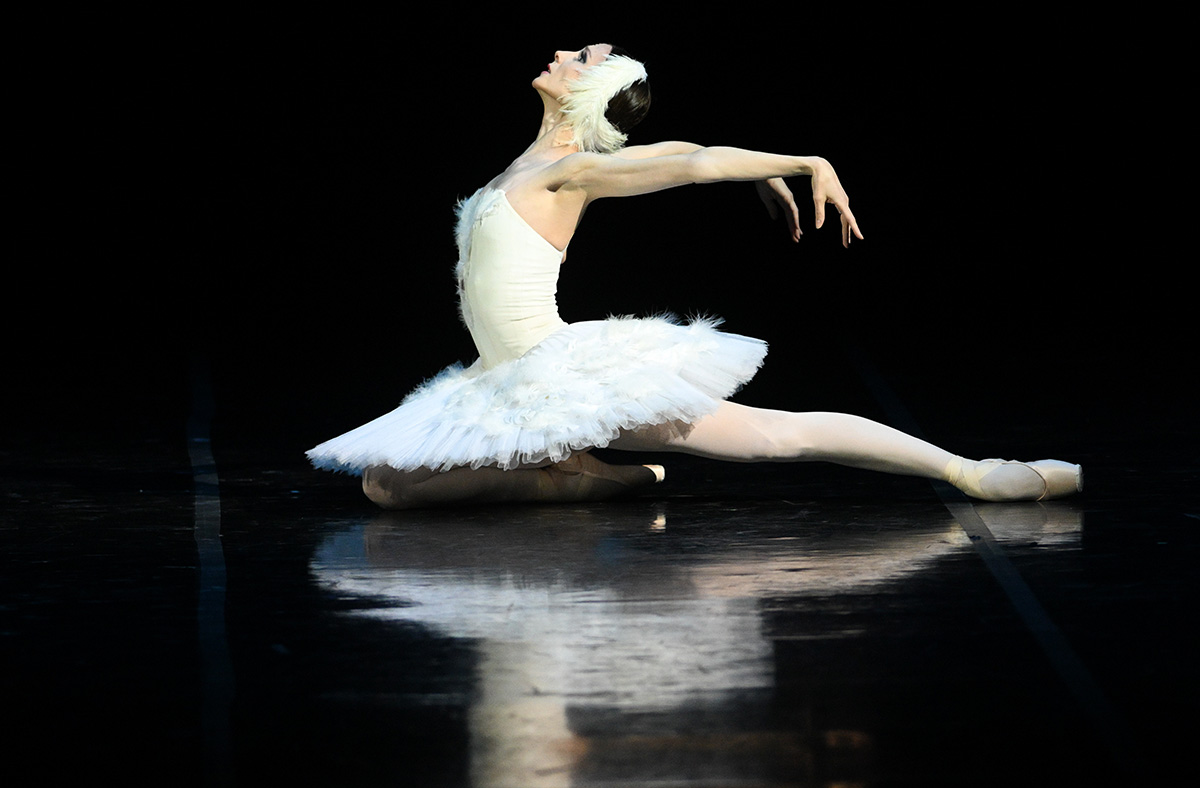
The first performances that could be called ballet were staged at the court of Tsar Alexei Mikhailovich in the late 17th century. Dance became more widespread in the mid-18th century: students of the Land Noble Corps were required to attend the dance class of Jean-Baptiste Landé. He trained them so successfully that, within a few years, the cadets were performing on stage with professional dancers from an Italian theater troupe. But, real ballet only achieved success in the 19th century, thanks to choreographer Marius Petipa and composer Pyotr Tchaikovsky. They created a unique genre of Russian ballet, in which dance and music played equal roles and added a Russian flavor to it. In the 21st century, Russian ballet is a brand admired worldwide.
9. ‘Maslenitsa’
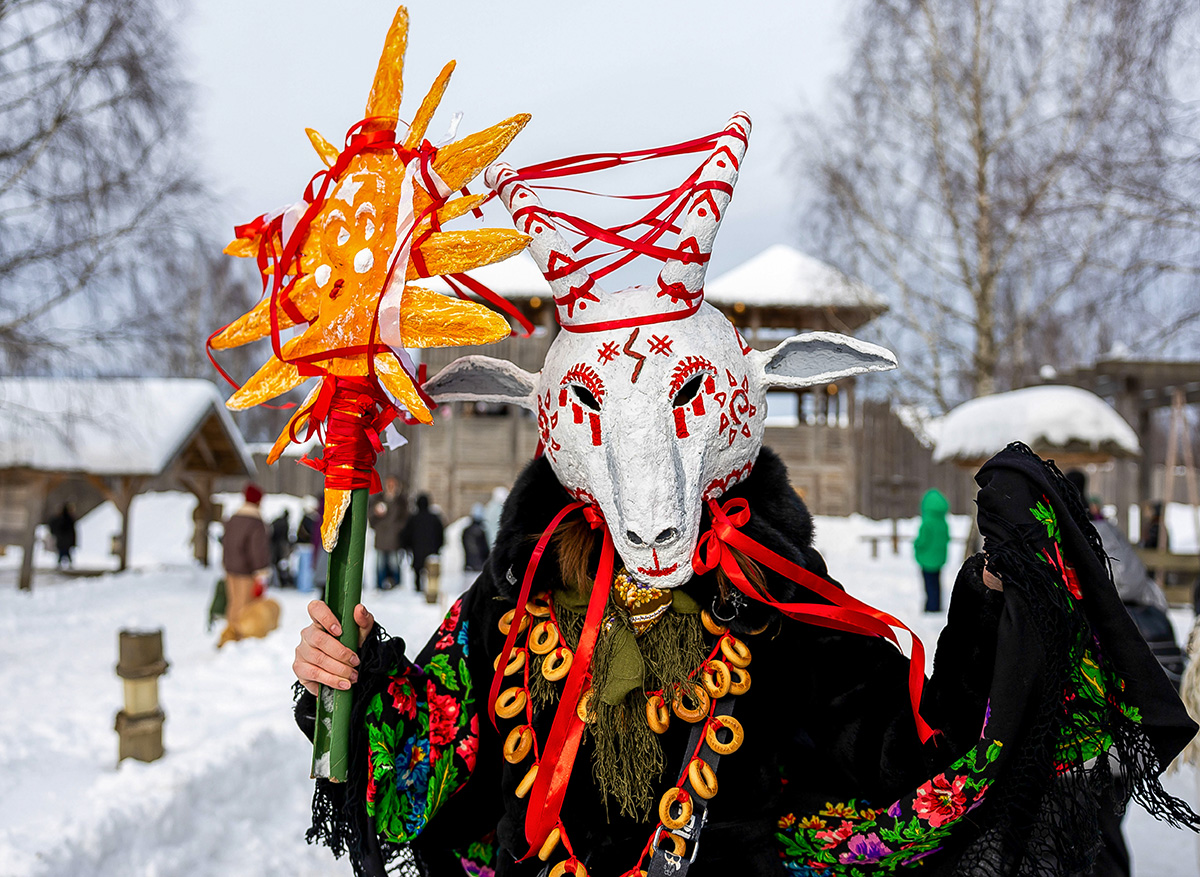
The carnival week before Lent is one of the most joyful and satisfying holidays. In ancient times, the Slavs used ‘Maslenitsa’ festivities to bid farewell to winter and welcome spring. In Christianity, it was a time to prepare for the longest period of abstinence, followed by the celebration of Easter. This week is also known as ‘Cheese Week’, when believers no longer eat meat, but can consume all dairy products.
The main dish of ‘Maslenitsa’ festivities is ‘blini’ (aka pancakes), which are served with various fillings and toppings. They were also a memorial food and were meant to appease the ancestors and thus ensure the fertility of the land in the new season. During ‘Maslenitsa’, people looked for potential husbands and wives. ‘Maslenitsa’ ended with the burning of an effigy of winter.
10. ‘Matryoshka’
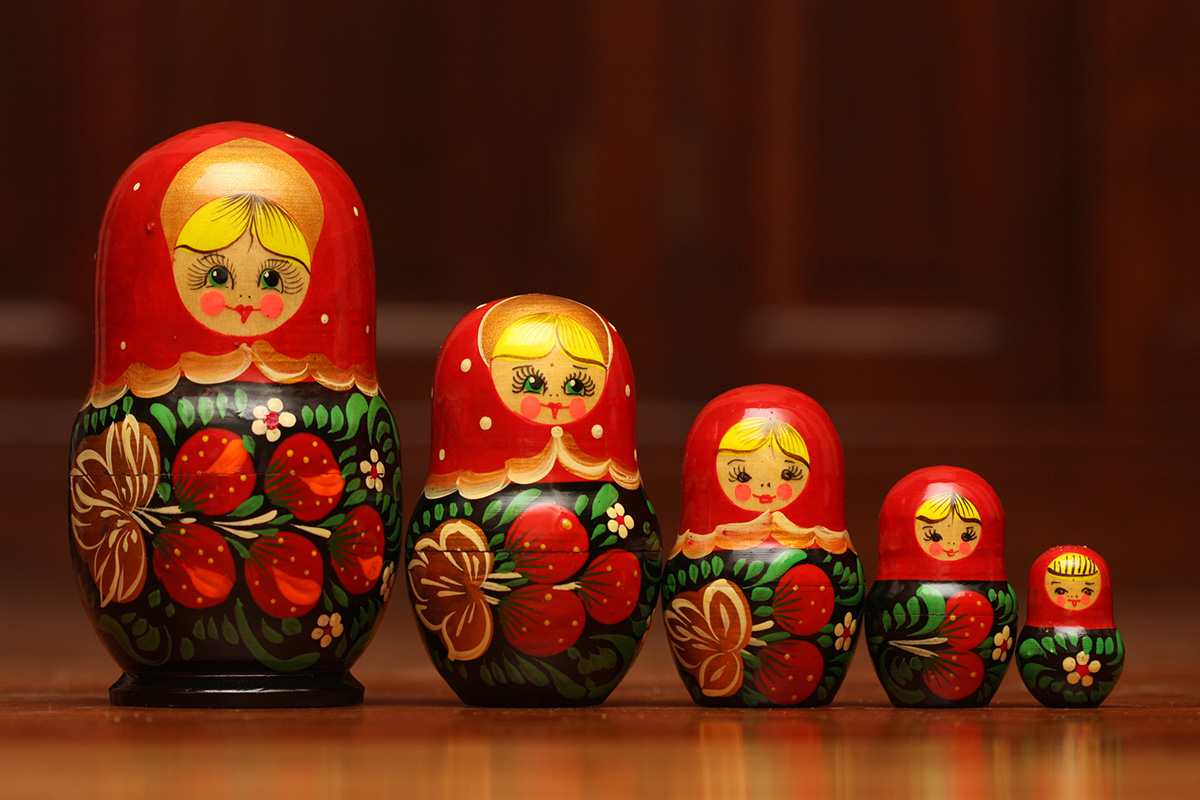
The main Russian doll is just over a century old. It was invented by Vasily Zvezdochkin, a Moscow woodturner, in the late 19th century. He dressed his ‘Matryona’ (as he called the doll) in a ‘sarafan’ (sundress) and placed a rooster in its hands. Inside were smaller figurines. The ‘matryoshka’ doll boom began during the Soviet era: The doll became the most popular souvenir that tourists took home from the USSR.
11. ‘Samovar’
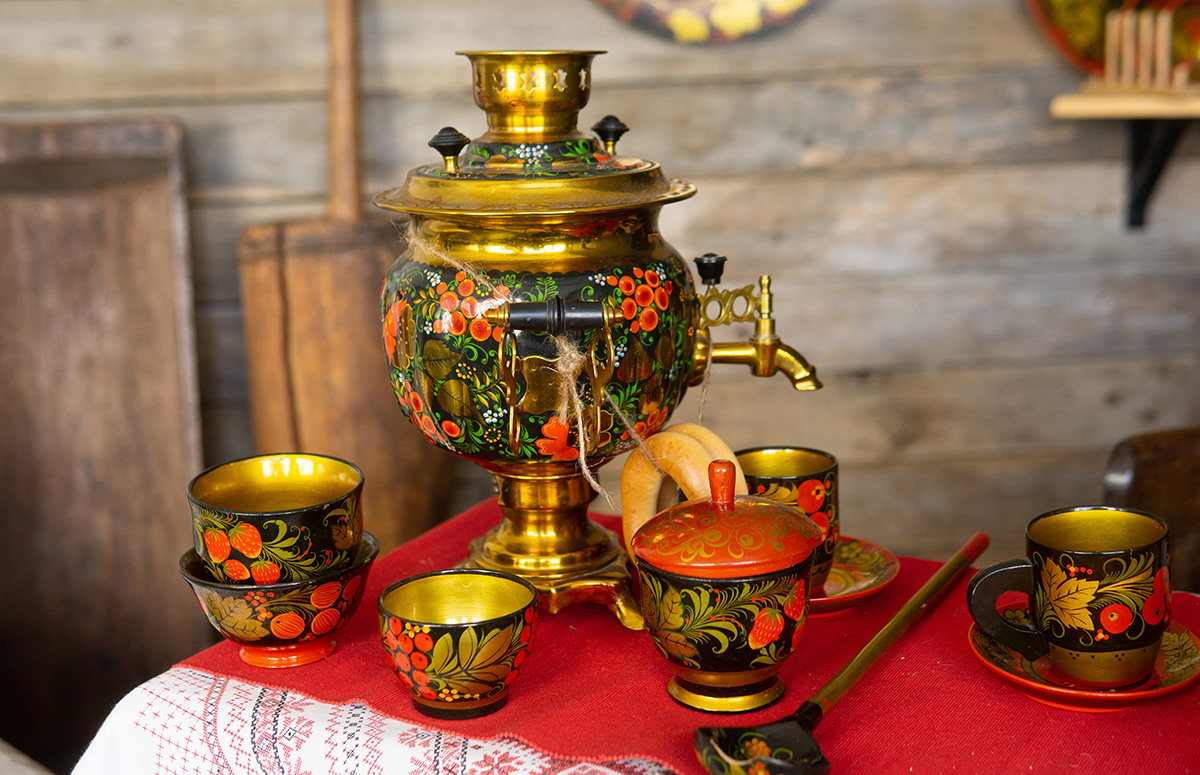
"A samovar is the most essential Russian thing, especially in all disasters and misfortunes, especially terrible, sudden and eccentric ones," says a character in one of Fyodor Dostoevsky's stories. In fact, this water-boiling appliance was indispensable in any situation. It’s believed that the first samovars were manufactured in the Trans-Urals, at the Irginsky plant. They were intended for brewing ‘sbiten’, a hot drink with honey. As tea culture spread throughout the country, the popularity of samovars grew, becoming a staple item in almost every kitchen. The city of Tula became the main center of their production: It's no coincidence that there's a saying: "You don't go to Tula with your own samovar." Today, drinking tea from a samovar is a time-honored tradition.
12. Russian troika
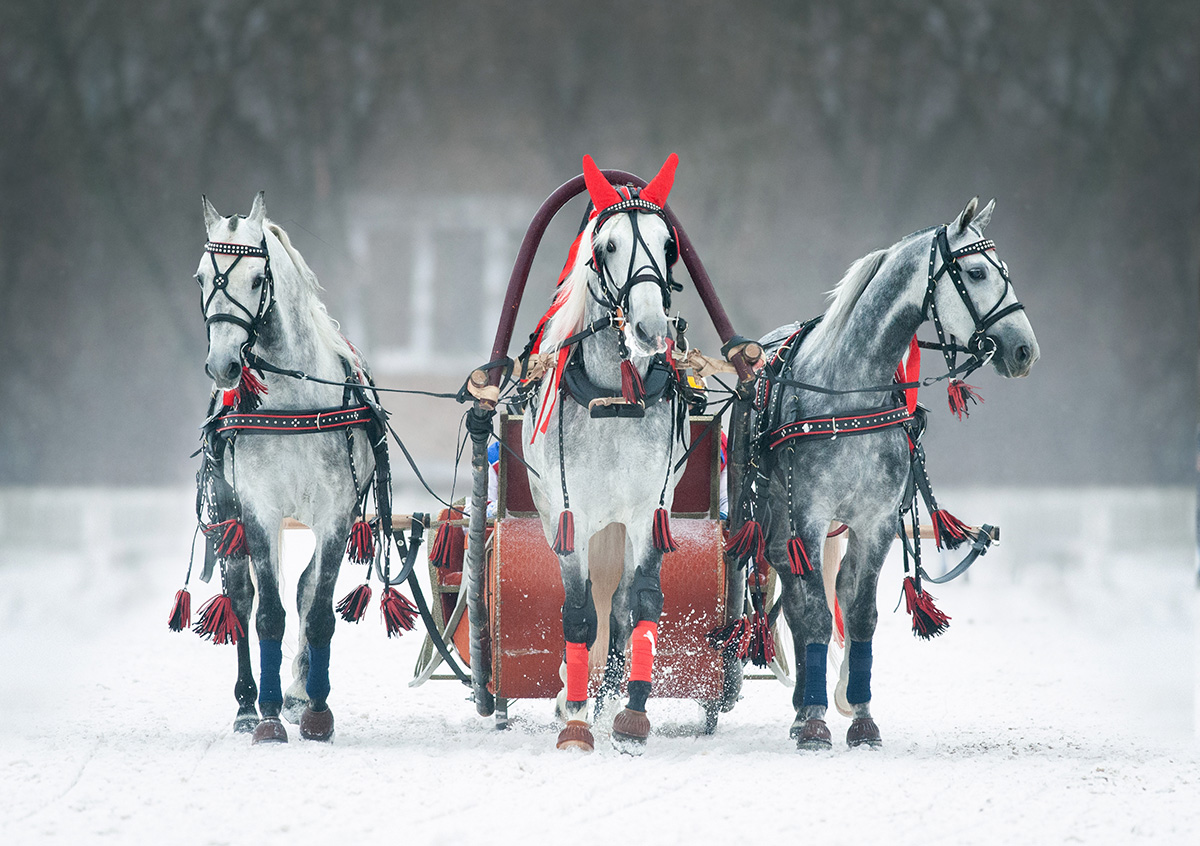
A Russian troika isn't just fast, it's also incredibly beautiful! A team of horses, with the central horse trotting and the other two galloping, was, at one point, considered the fastest form of transport in Russia. The troika – which was drawn by Vyatka horses or Orlov trotters – could reach speeds of up to 50 km/h! It was used to transport passengers and important mail and their approach could be heard by the ringing of bells and jingles. Troika rides were also organized for special occasions, such as weddings and ‘Maslenitsa’. Although horse-drawn carriages are no longer used for travel, a troika ride remains one of the most aesthetically pleasing experiences.
13. ‘Khokhloma’
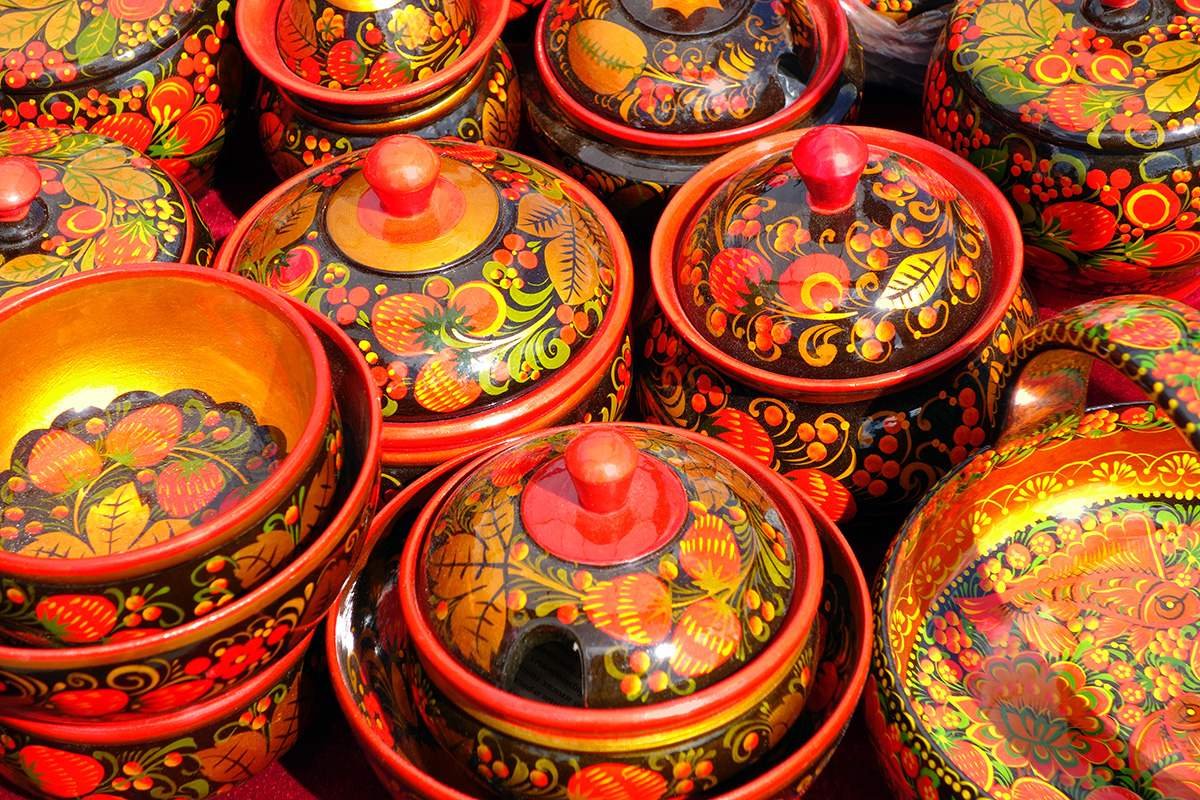
This painting technique, featuring red, black, and gold tones, dates back more than 300 years. In the villages of the Volga region in the Nizhny Novgorod Oblast, artisans painted wooden household items and brought them to sell in Khokhloma, where a famous market was held. It’s believed that the painting technique originated with the Old Believers: on winter evenings, craftsmen would pass the time decorating tableware using the same technique they used to make icon frames. In the 19th century, with the advent of the Russian style, Khokhloma painting became very popular: It was exhibited at the All-Russian Industrial Exhibition of 1853 and, in 1889 at the World Exhibition in Paris, where it won the Grand Prix. Household items with their recognizable patterns were shipped throughout the country and, via Arkhangelsk, abroad.
Today, Khokhloma painting is not only traditional tableware. Contemporary artists are constantly reinterpreting the famous pattern.
14. ‘Kokoshnik’
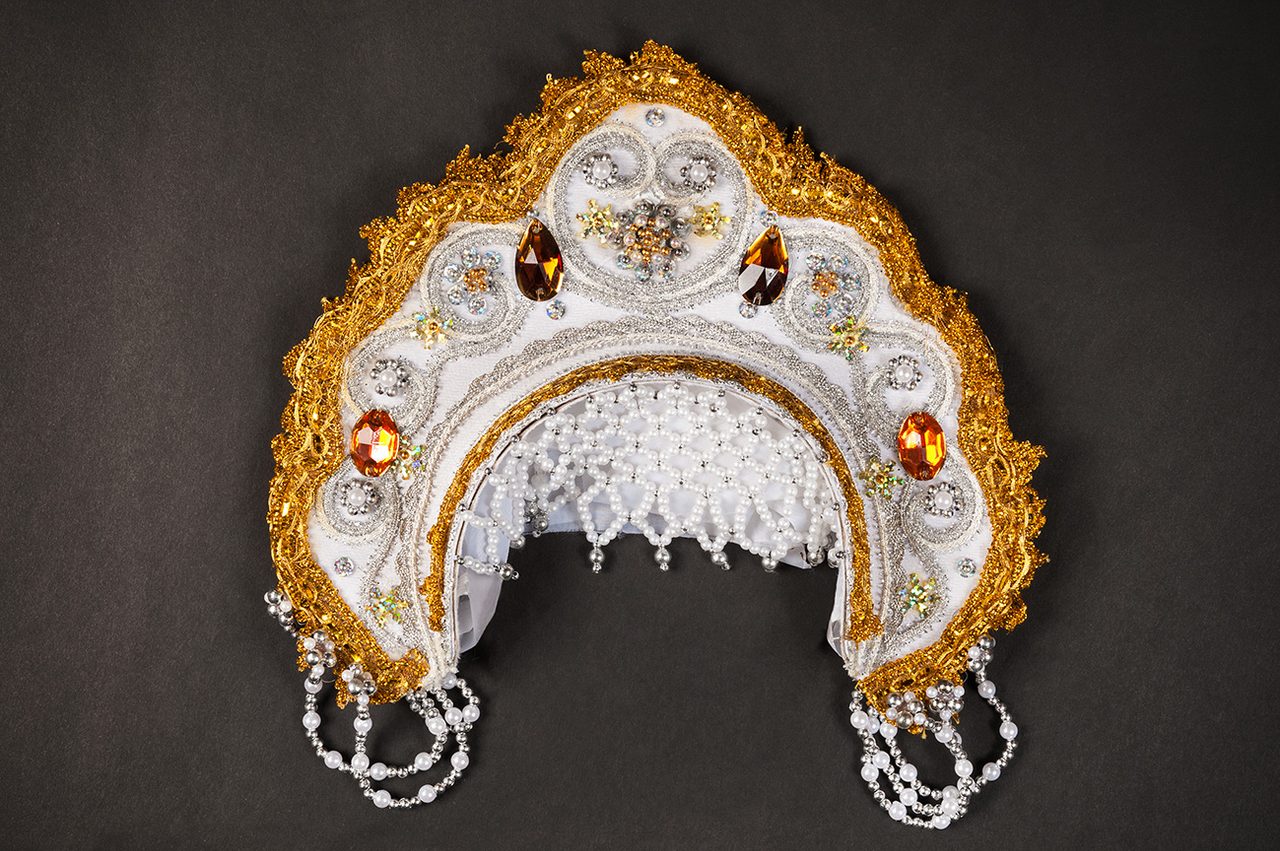
This headdress, a cap-shaped cap with a high crest in the shape of a crescent or triangle, was worn by married women. It was believed that in marriage, one should hide one's hair and cover one's head. The base material used for it was the simplest available – for example, paper or canvas that had been pre-stiffened. It was covered with velvet and lavishly decorated – patterns were embroidered with gold or silver thread and pearls and precious stones were sewn on. This luxurious headdress was not worn every day; instead, it was cherished like the apple of one’s eye and passed down through the generations. Later, precious tiaras began to be crafted in the style of ‘kokoshniks’, which were worn by aristocratic women and members of the royal family.
15. Vodka
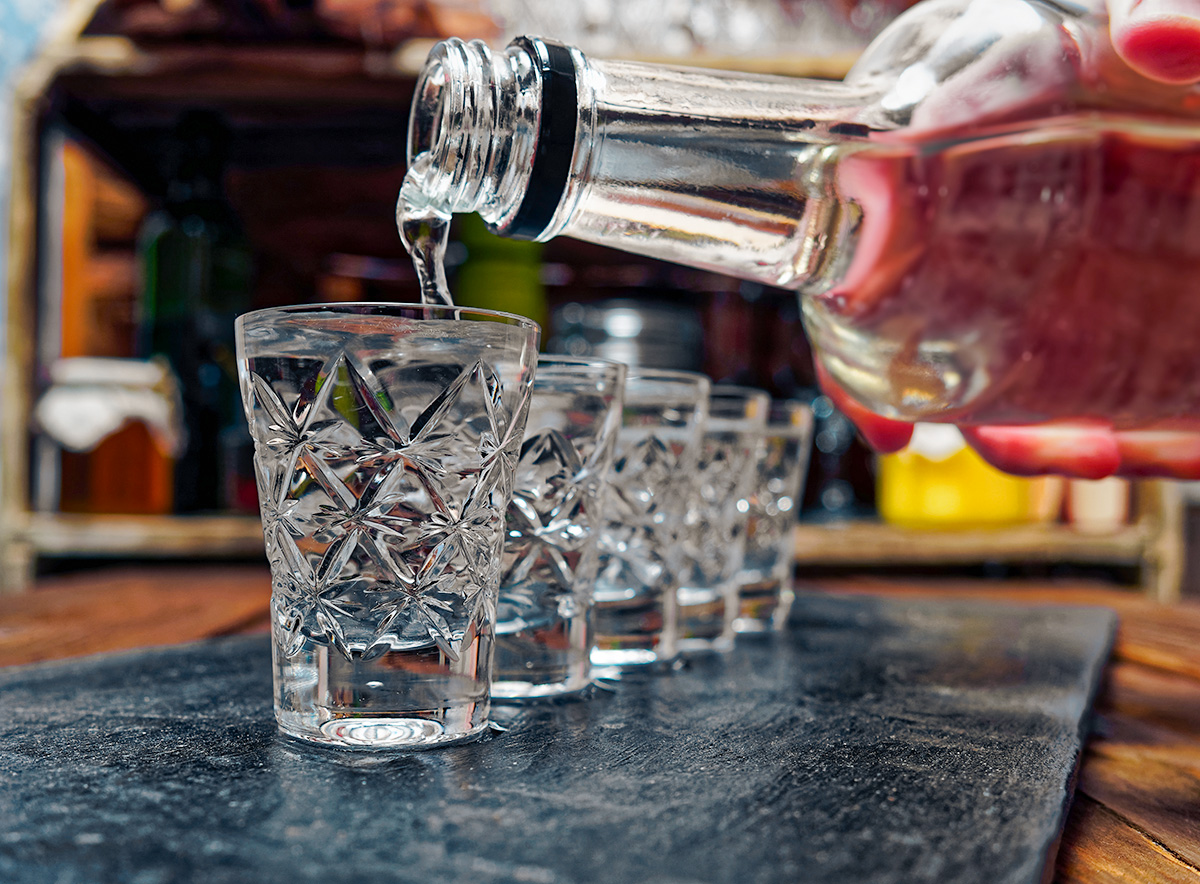
Strong alcohol, a sort of prototype of Russian vodka, was already known in Ancient Egypt and the Middle East in the 10th century, though it was used as a wound-cleansing agent. Alcohol, the very base of vodka, was brought to Russia by the Genoese only in 1386, but, even then, it was used heavily diluted and as a medicine. Back then, people drank very different beverages: mead, beer and ‘kvass’. Vodka didn’t come into the picture until 1894, when ‘Moscow Special’ was patented – a grain spirit that was diluted by weight with water to exactly 40% proof.
Vodka became world-famous thanks to Pyotr Smirnov. After leaving Russia after the 1917 Bolshevik Revolution, he sold the production rights to the ‘Smirnoff’ brand in 1933. The brand's owners changed, but the drink itself remained quintessentially Russian in the public mind.
16. ‘Olivier’ salad

When we say "New Year", we mean ‘Olivier’ salad. On the night of December 31 to January 1, this salad is sure to take center stage on the holiday table. Lucien Olivier, the head chef of the ‘Hermitage’ restaurant and creator of the original recipe featuring grouse, crayfish tails and Provençal sauce, would certainly be surprised. After the 1917 Bolshevik Revolution, in the spirit of fighting against all things bourgeois, the dish was made more accessible to the masses. The grouse meat was replaced with sausage, capers gave way to canned peas, and the Provençal sauce was swapped for mayonnaise.
Every modern housewife has her own recipe: in the debate over whether to add a green apple or fresh cucumber to a salad for freshness, there are no winners!
17. Caviar
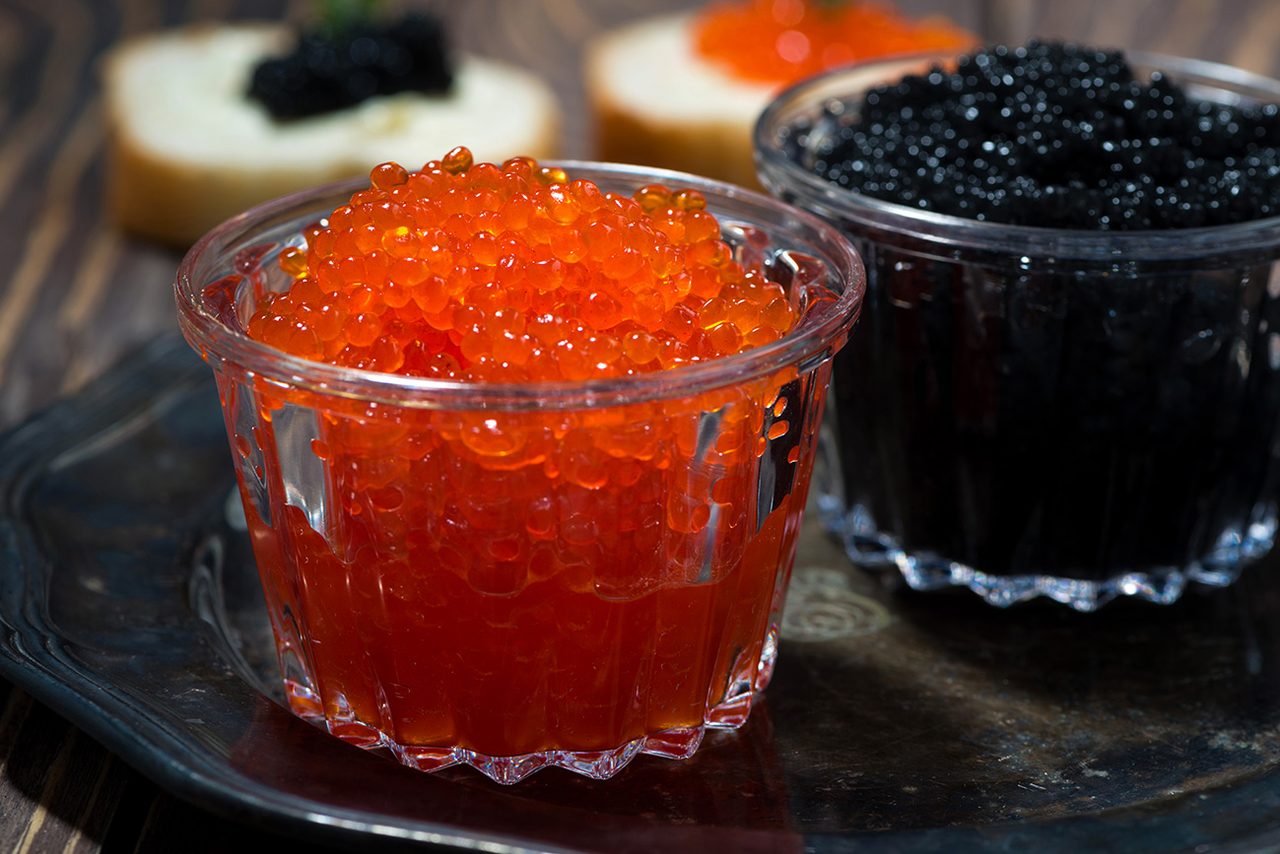
You won't see it on the table every day; this expensive delicacy is served on special occasions – New Year’s, birthdays and weddings. The most popular types of caviar are black (Sturgeon, Sevruga, Kaluga and Beluga) and red, which is harvested from various species of salmon. But, there are also more affordable options, such as the delicate amber-colored pike caviar.
18. Borsch
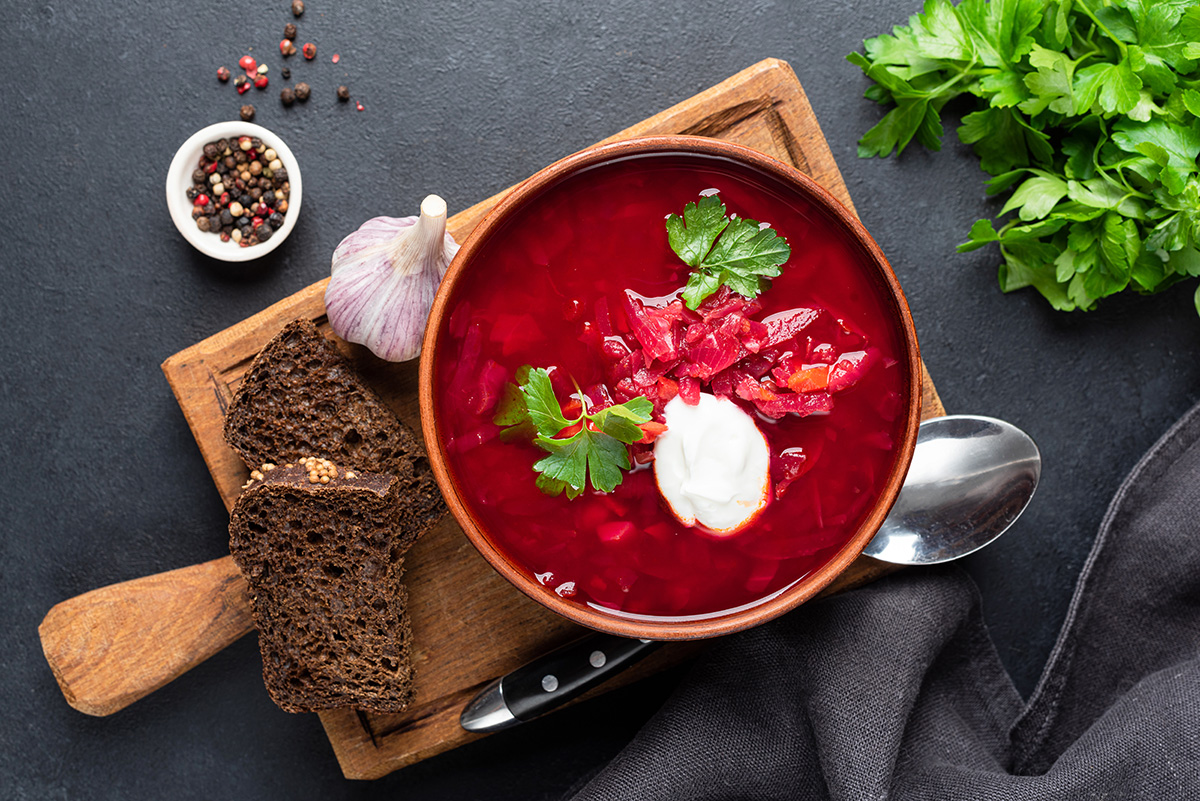
The most famous soup in Russia. Variations of it can be found in many Slavic countries. It has been part of Russian culinary tradition since at least the 16th century, though it is certainly much older. The recipes for this first course won’t fit on a single page: there are as many recipes for borsch as there are regions. From vegetarian versions without meat, with beans and mushrooms, to fish-based versions with crucian carp and even crayfish, green versions with sorrel, all the way to the classic version made with beetroots and beef broth.
19. Rye bread
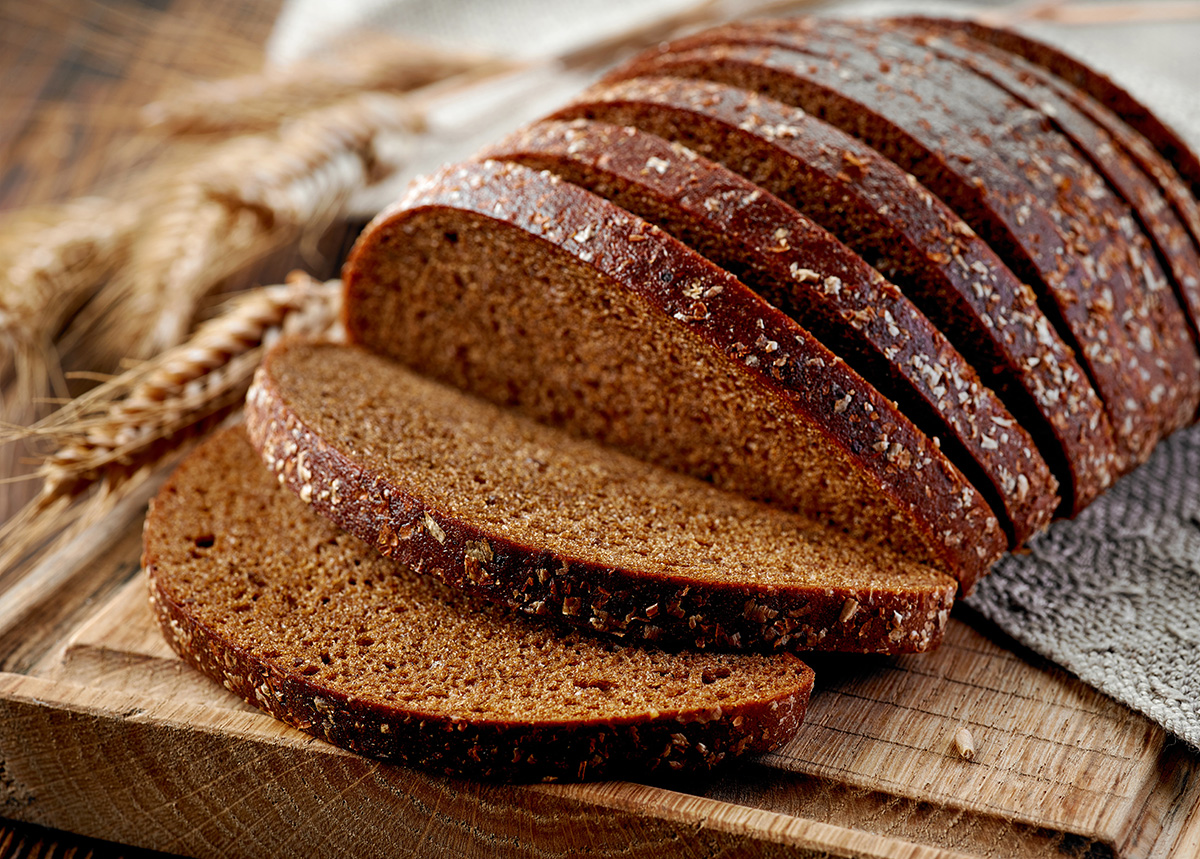
Due to the climate, rye was the primary grain used to make flour for baking bread. The dough was made with sourdough starter, which gave it a distinctive tang. Rye bread has been known in Russia since the 9th-10th centuries; it was eaten by both peasants and noble families. Moreover, it stayed soft longer than white wheat bread. A slice of rye bread – whether ‘Borodinsky’ or ‘Darnitsky’ – is the perfect accompaniment to any soup.
20. ‘Blini’
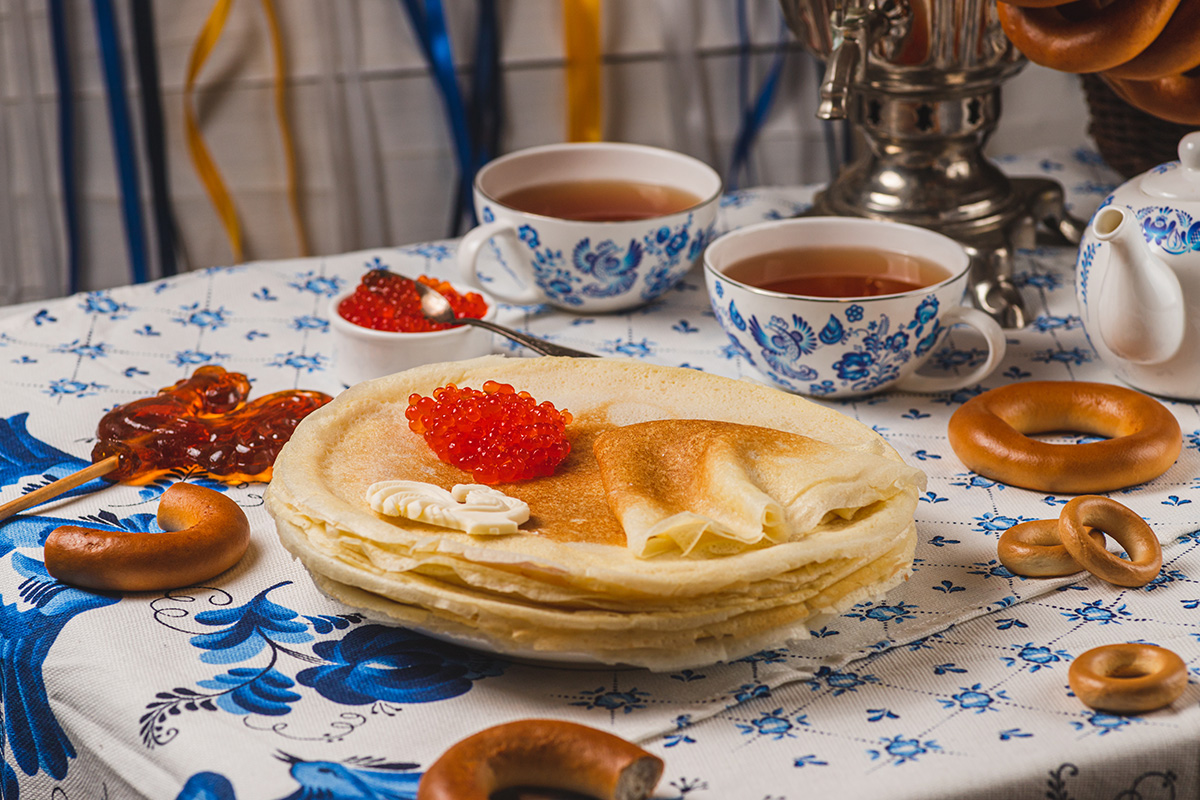
Thin wheat yeast batter is cooked in a pan, resulting in golden “sunflowers” that can be eaten plain or with various fillings. These can include caviar, mushrooms, sour cream, jam – anything you like! Pancakes are the main dish of ‘Maslenitsa’ (see pt. 9), but they’re also eaten on other days.
21. Russian women
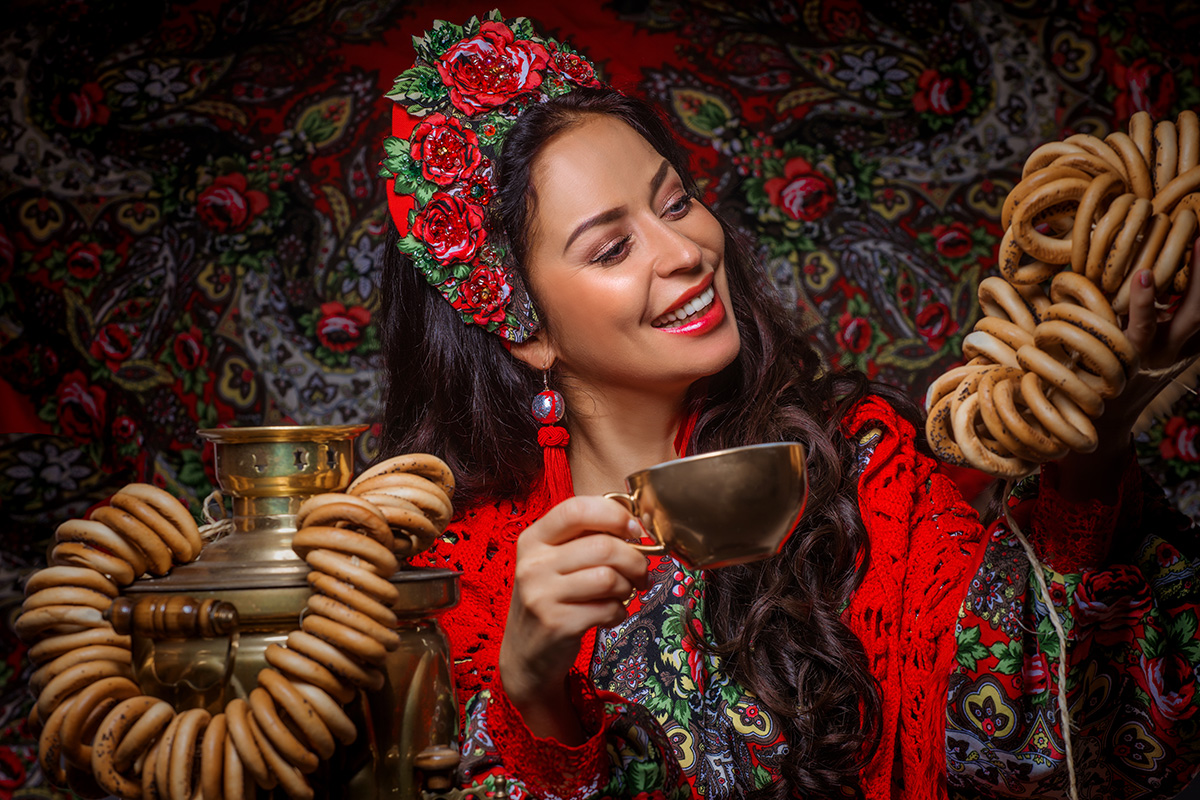
Flawless makeup and stylish clothes aren’t just for special occasions – they’re part of her daily routine. A trip on the subway might “dazzle” someone who isn’t prepared, but, in any situation, a Russian woman will look as if she’s ready to step onto a stage or address a large audience at any moment.
22. ‘Babushka’
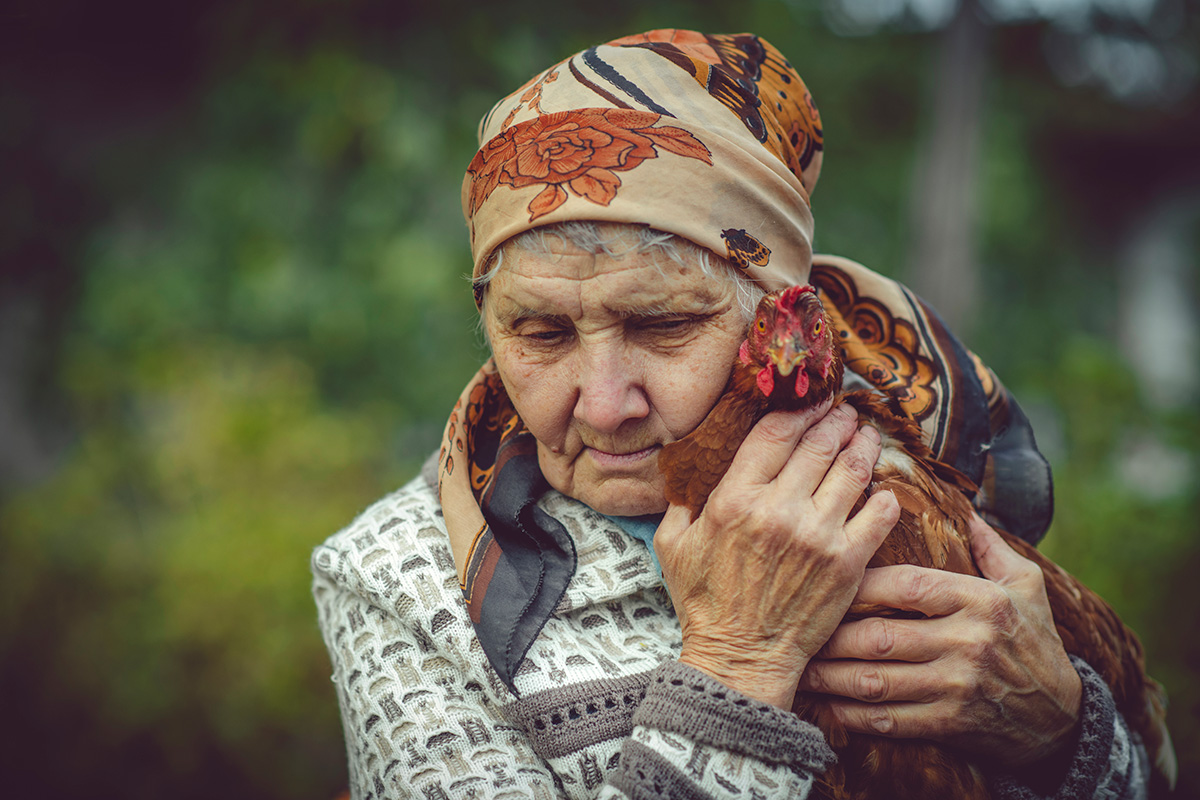
‘Babushka’ comes from the word ‘baba’, which was used to refer to a peasant woman. The official word ‘babka’ has given way to the diminutive and more affectionate ‘babushka’, as well as its derivatives: ‘babulenka’, ‘babusya’ and the like. Today, this term is used not only for one’s mother, but also for any elderly woman, in general.
And then there’s ‘babushka’ – aka grandmother – who is a force to be reckoned with. No one can match her in expressing love for her grandchildren. She is ready to pamper and cherish them and, of course, indulge them in everything. If your neighbor is one of these elderly ladies, it's worth establishing a good relationship with her. No stranger will escape her watchful gaze. And you will be up-to-date on all the latest events. Of course, modern ‘babushkas’ don't necessarily resemble the heroines of the past with headscarves tied under their chins; they can be quite modern and practice yoga, traveling around the country and taking up martial arts. A ‘babushka’ always has a way of surprising you.
23. ‘Kalashnikov’
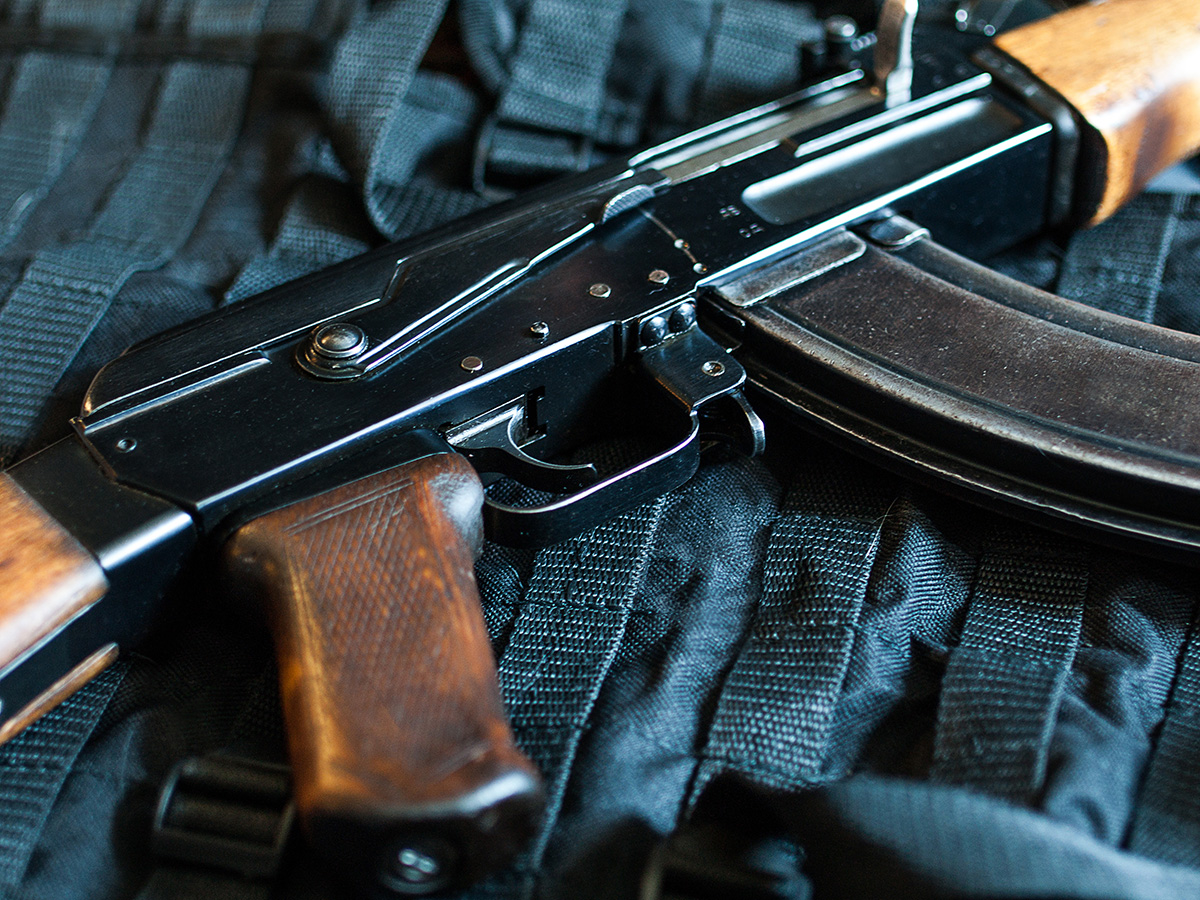
In Mozambique, East Timor, Zimbabwe and Burkina Faso, the ‘Kalashnikov’ assault rifle is featured on the coats of arms as a symbol of the struggle for freedom and independence. The ‘AK-47’ was developed in 1947 by designer Mikhail Kalashnikov. Since then, numerous modifications have been released, making it the most widely used small arms in the world.
24. Pavlovsky Posad shawl
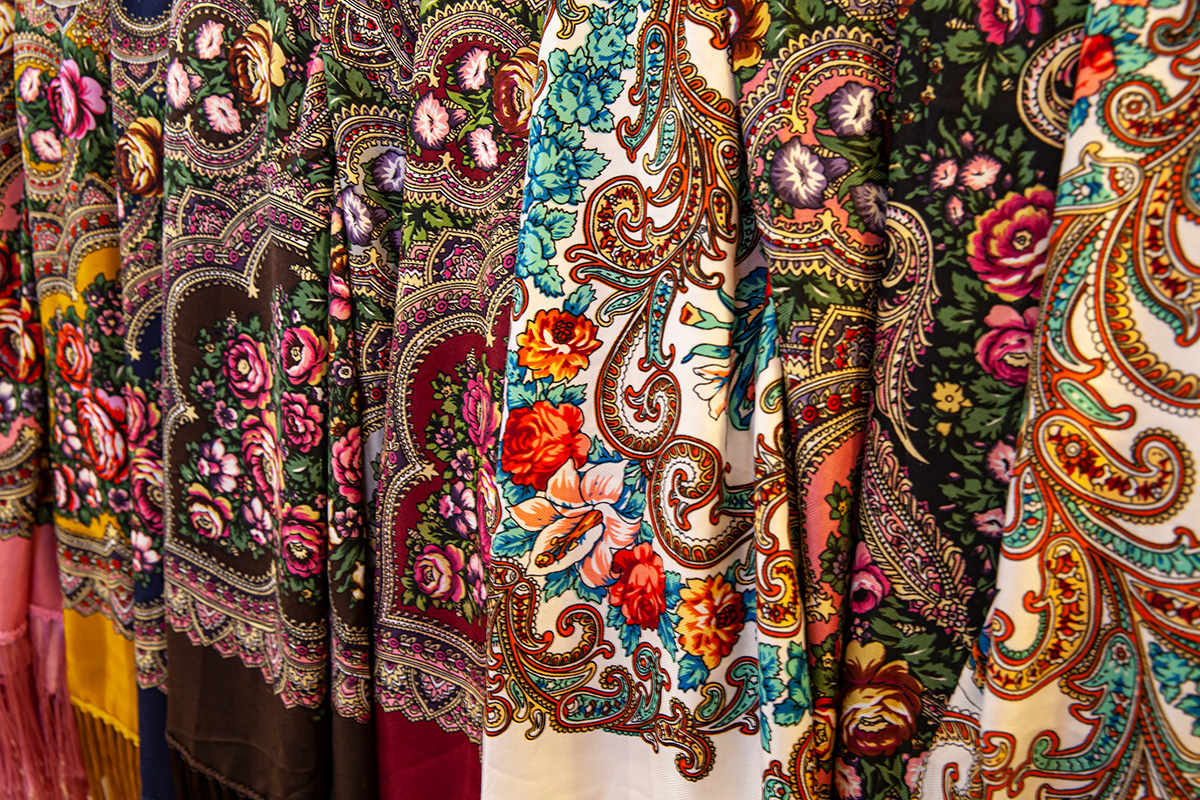
A warm woolen shawl with a vibrant floral pattern makes the perfect Russian souvenir. Historically, shawls with floral designs were given as wedding gifts to brides and, by the 17th century, they had become a popular accessory – fashionable merchant’s wives always draped them over their shoulders. At the end of the 18th century, a shawl factory began operating in Pavlovsky Posad and, a century later, shawls with printed patterns were produced there – the designs were applied using special carved molds and lush garlands bloomed against a dark background.
25. ‘Ushanka’ hat
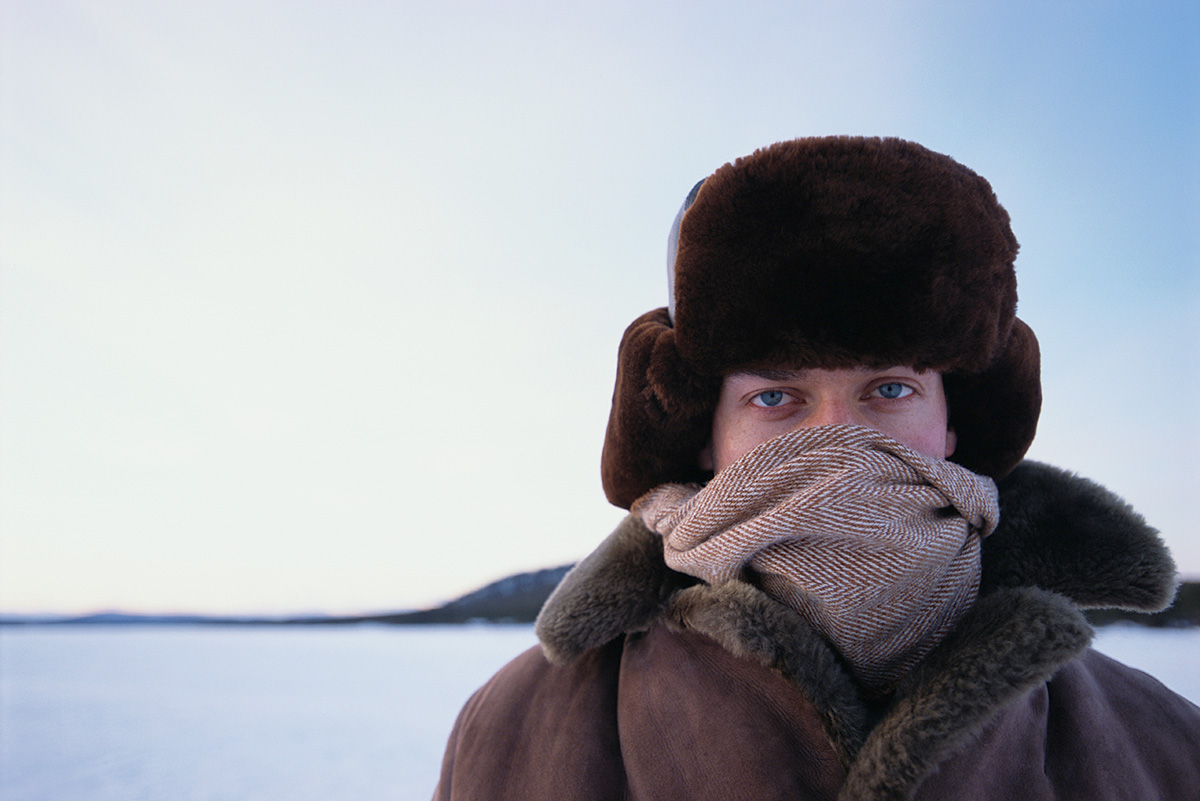
This warm hat evolved from the peasant ‘treukh’, a head covering that protected the head and neck. During the Soviet era, it was included in the Red Army’s uniform and, in peacetime, it became a common men’s accessory. The party elite chose ‘ushanka’ hats made of reindeer fur and karakul sheep, while ordinary citizens wore hats made of rabbit fur. Today, both men and women who follow fashion trends wear them, choosing styles made of colorful eco-friendly materials or natural fur.
26. St. Basil's Cathedral
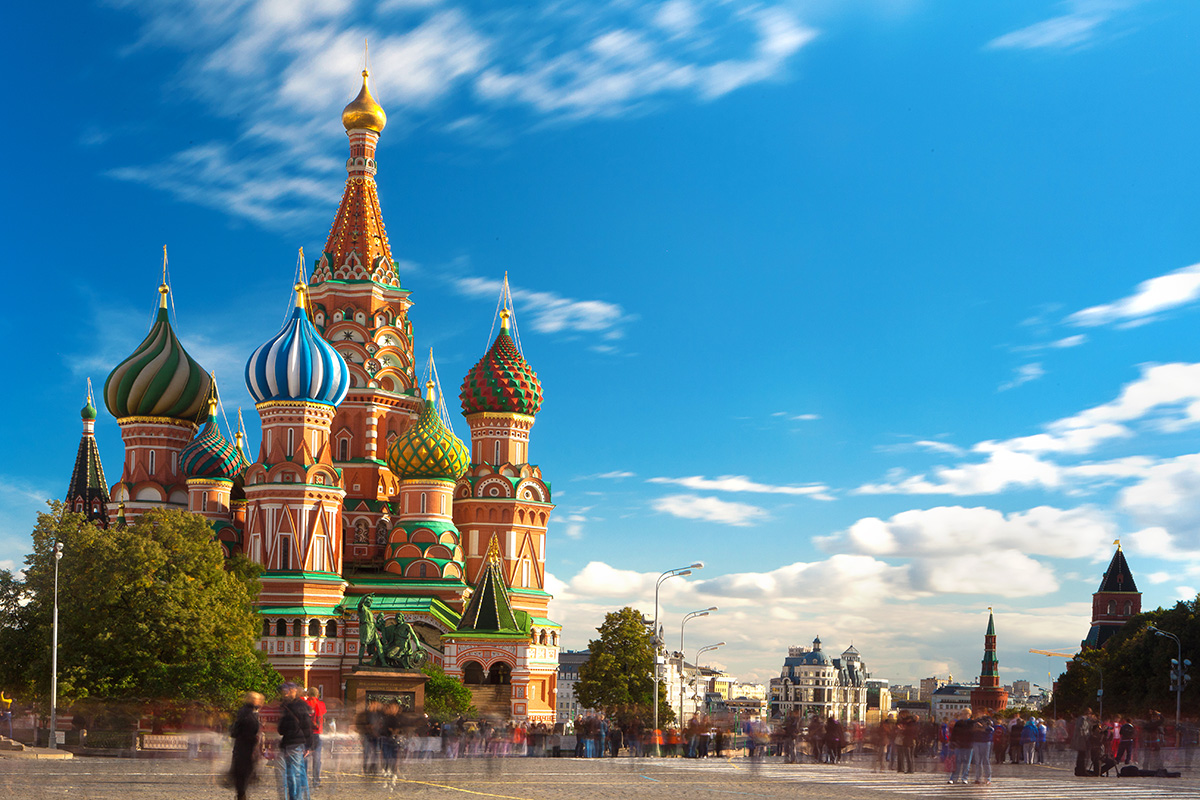
This most recognizable Orthodox church is known for its vibrant, bright domes, which make it resemble a gingerbread house. Built between 1555 and 1561 by order of Tsar Ivan the Terrible, it commemorates the victory over the Kazan Khanate, which occurred on the feast of the Intercession of the Virgin Mary. It was named the Cathedral of the Intercession of the Virgin Mary on the Moat, which also referred to its location. In fact, it is not one church, but nine: smaller churches stand on a common foundation and are connected by galleries and passages. The monument's second and more famous name – St. Basil's Cathedral – emerged when the relics of the Moscow holy fool Vasily, who possessed the gift of foresight, were buried there. A tenth church was built to house them.
27. Churches & golden domes
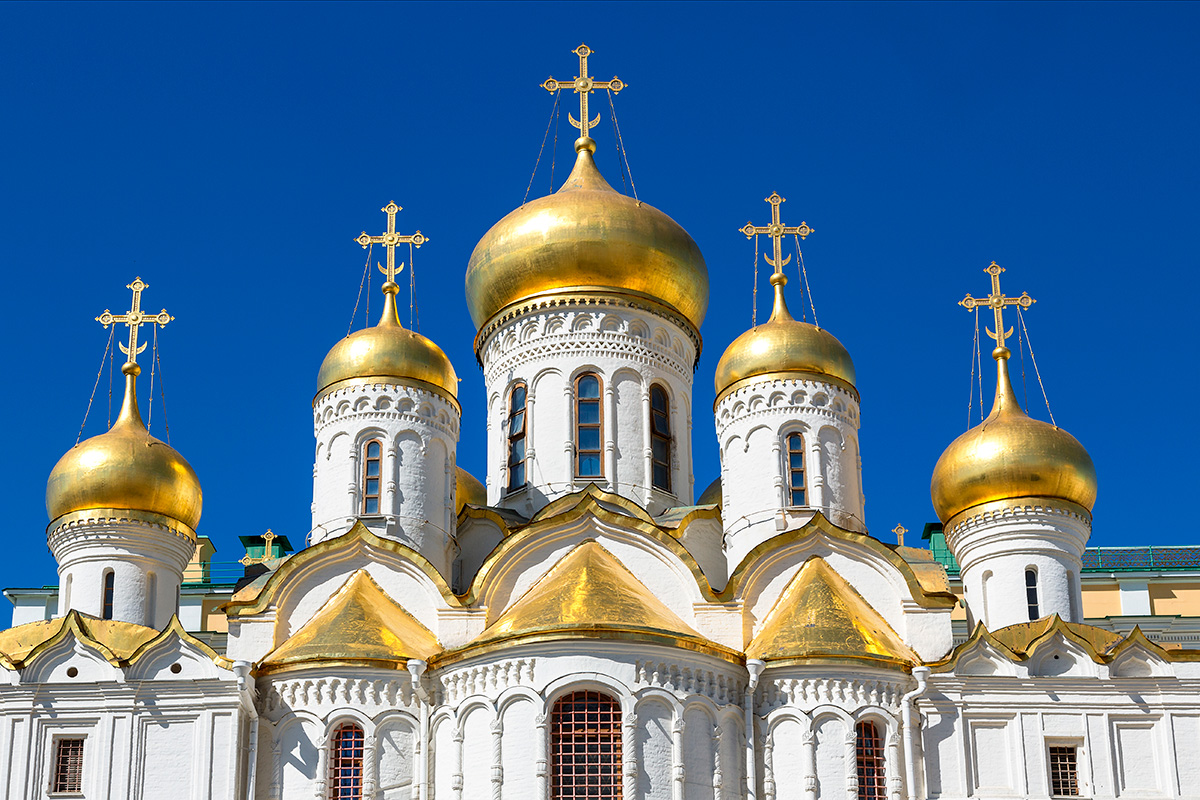
Orthodox churches are crowned with onion domes—a shape that symbolizes the flame of a candle. It is believed that they were inspired by depictions of the chapel over the Holy Sepulchre – the Jerusalem Edicule. The number of domes can vary: they indicate in whose name the church was built. For example, one symbolizes the One God. Three domes represent the Holy Trinity, five recall Christ and the four evangelists. And nine symbolize the number of angelic ranks. Some churches even have as many as 33 domes – corresponding to the number of years of Christ's earthly life.
28. ‘Black Square’
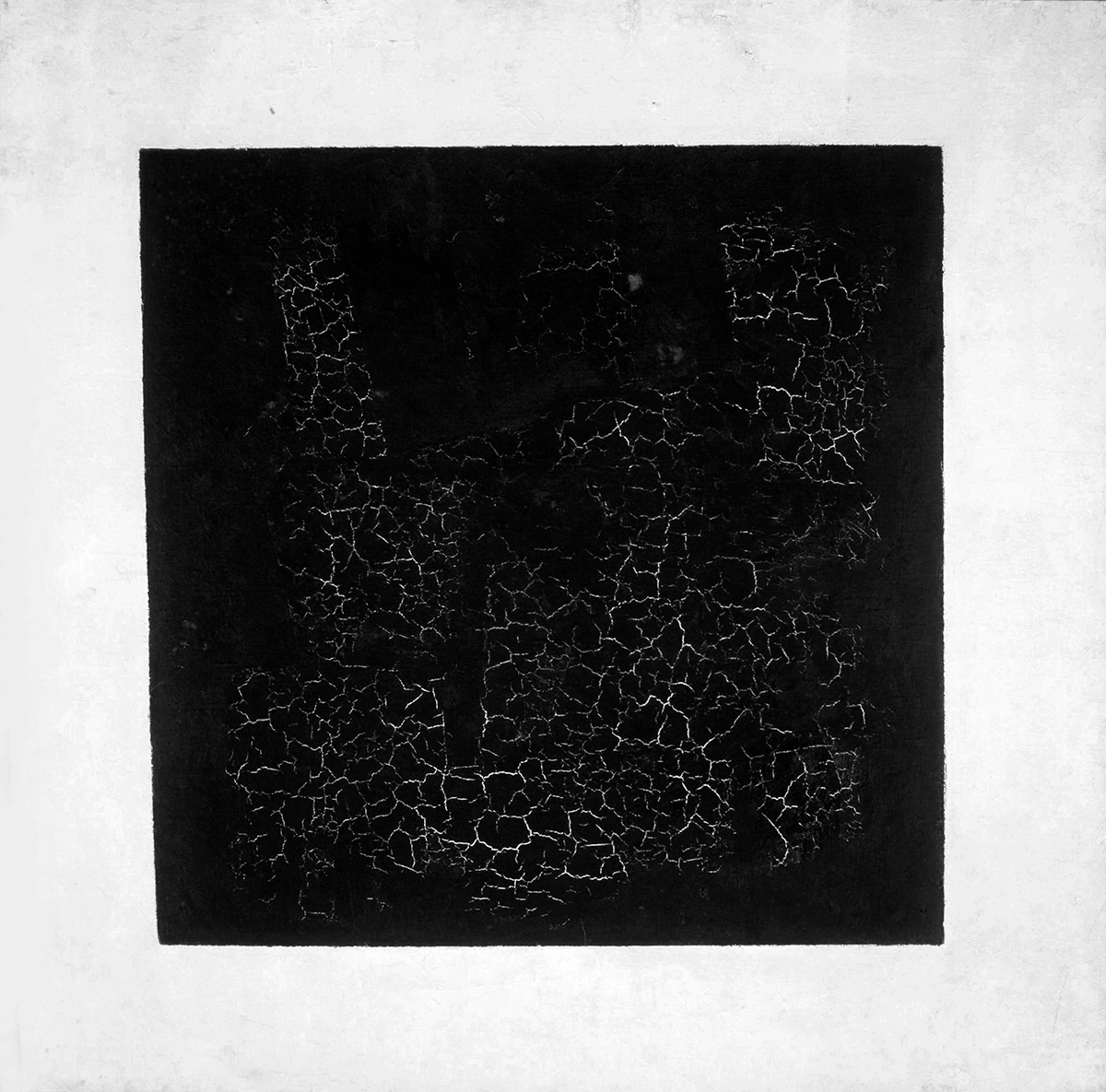
Controversy surrounding Kazimir Malevich’s famous painting continues to this day. It’s the most provocative work of art created in the 20th century. The artist called it “the embryo of all possibilities” and admitted that after painting ‘Black Square’, he couldn’t sleep or eat for a week, trying to understand what he had done and unable to do so. Art historians agree that ‘Black Square’ is a symbol that means nothing or anything at all.
29. Five-pointed red star

Stars adorned the epaulets of officers and generals in the tsarist army, though they were not red but gold or white and were considered a symbol of Mars, the god of war. After the 1917 Bolshevik Revolution, it was decided to use red five-pointed stars as a distinctive emblem for the Red Army, symbolizing the unity of the world proletariat and the five continents in the struggle for freedom.
30. ‘Sputnik’
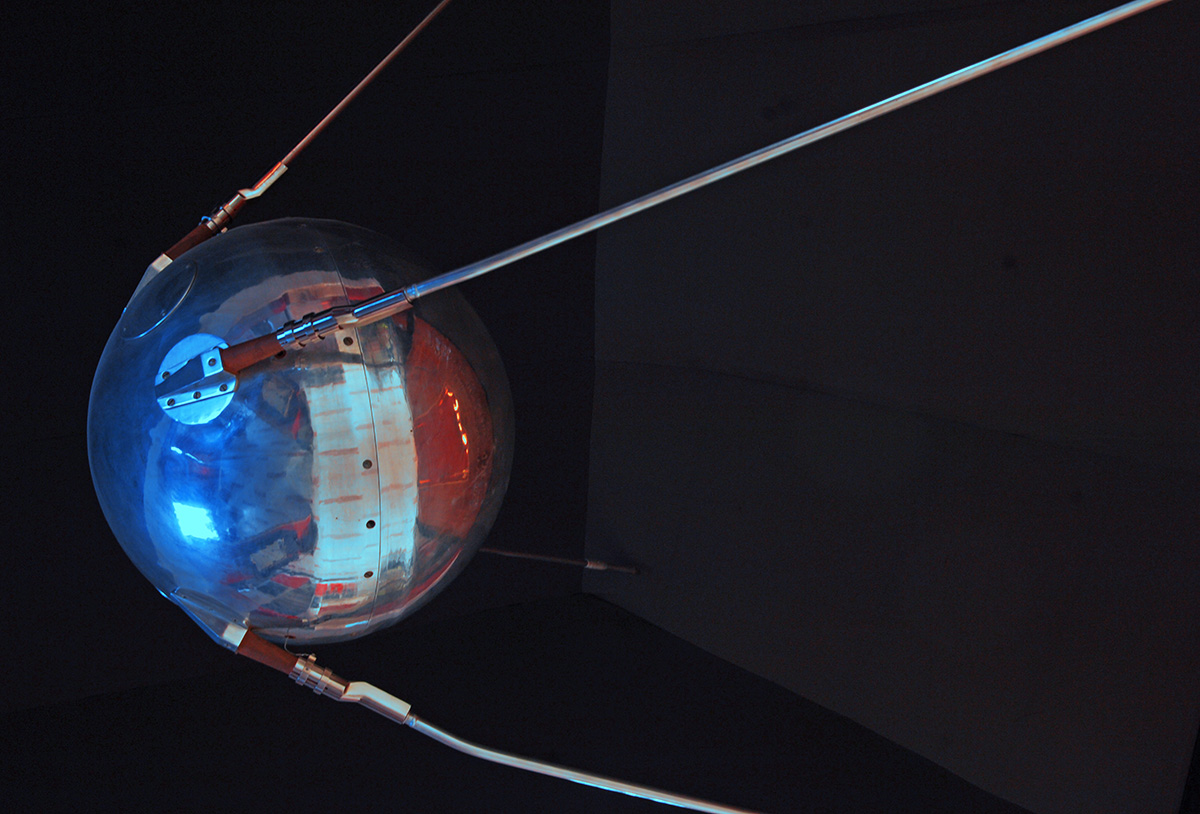
In 1957, the Soviet Union launched a spacecraft – the world’s first artificial satellite – into orbit to conduct various experiments. This marked the beginning of the Space Age for humanity.